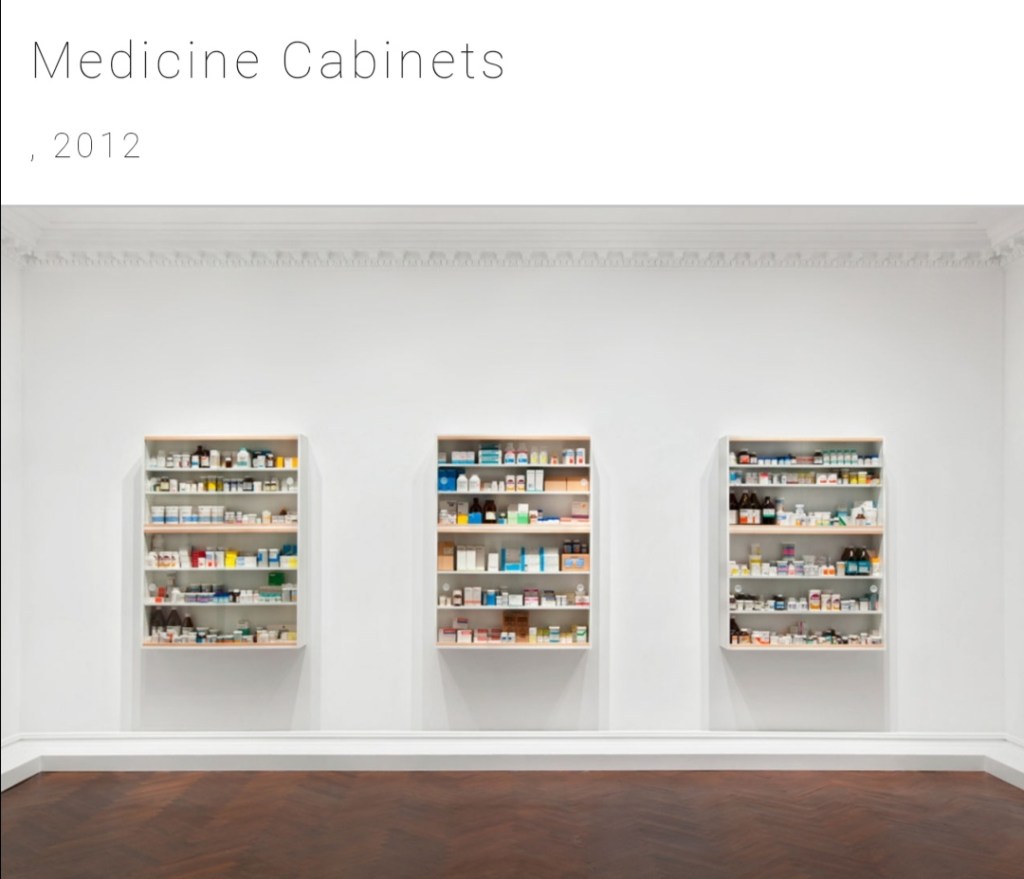
So I wanted to start off by looking at some artist where they use materials and concepts that are relitive to my ideas of what coping mechanisms there are for mental health, and so I thought about what medications are usually prescribed so that’s where Damien Hirst’s Medicine Cabinet came to mind.
Damien Hirst cited, ‘you can only cure people for so long and then they’re going to die anyway. You can’t arrest decay but these medicine cabinets suggest you can’ by ‘Life’s Like This and That Then It Stops’
When I read this it came to mind that the context is like most things when it’s based around human health and well-being. Much like mental health, we cannot cure it with medicines, but we can only do what we can to make each day and experience better.
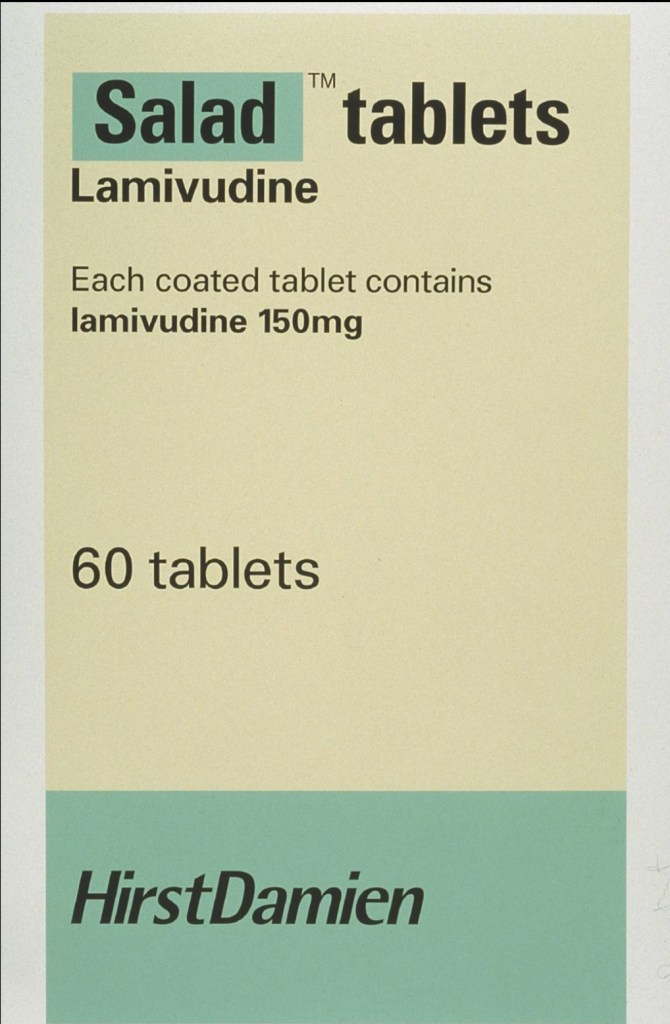
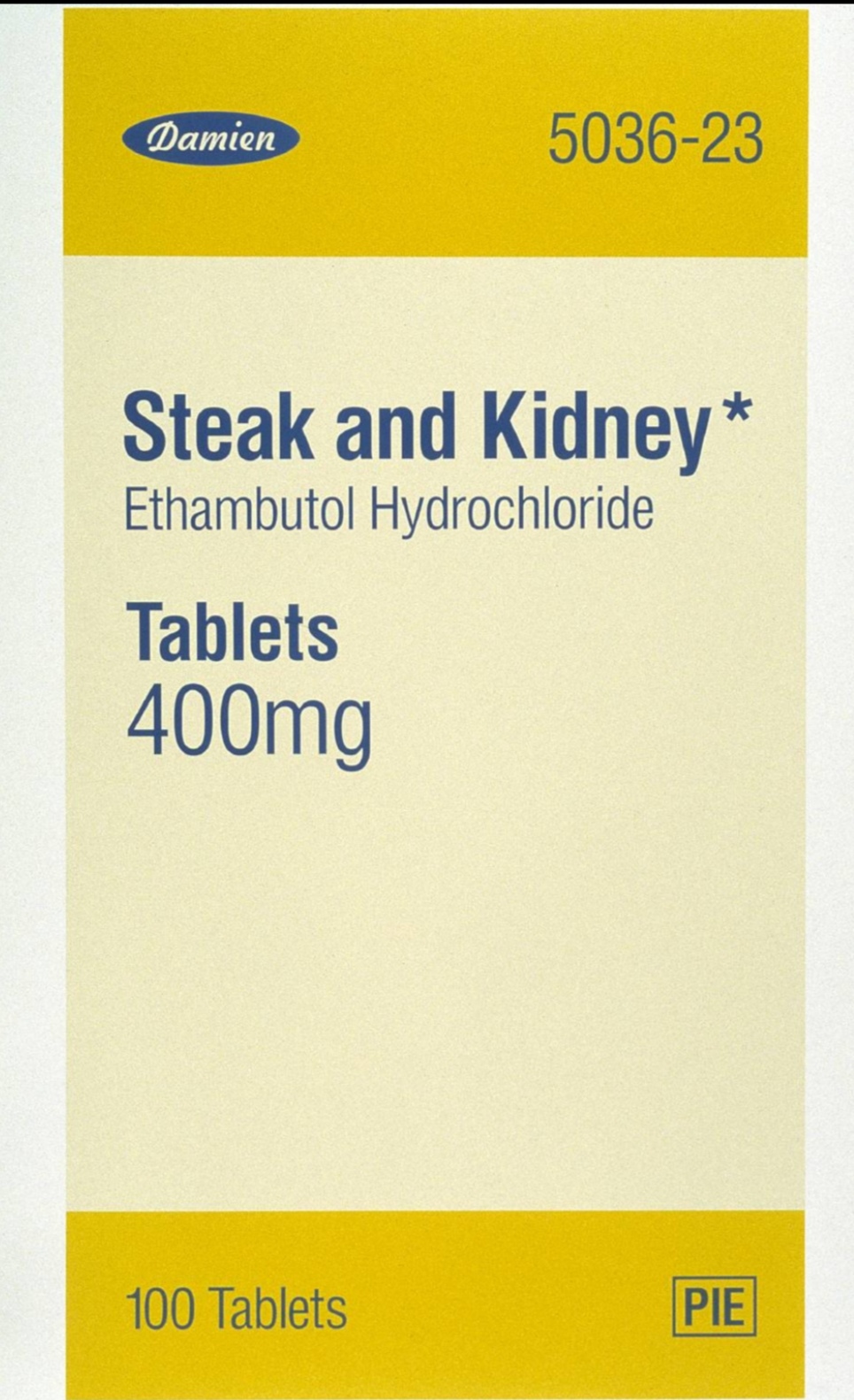
I also came across these pieces by suggestion, and was told to think about experimenting with text and language and how I could use that in a creative way, thinking about my chosen theme as well.
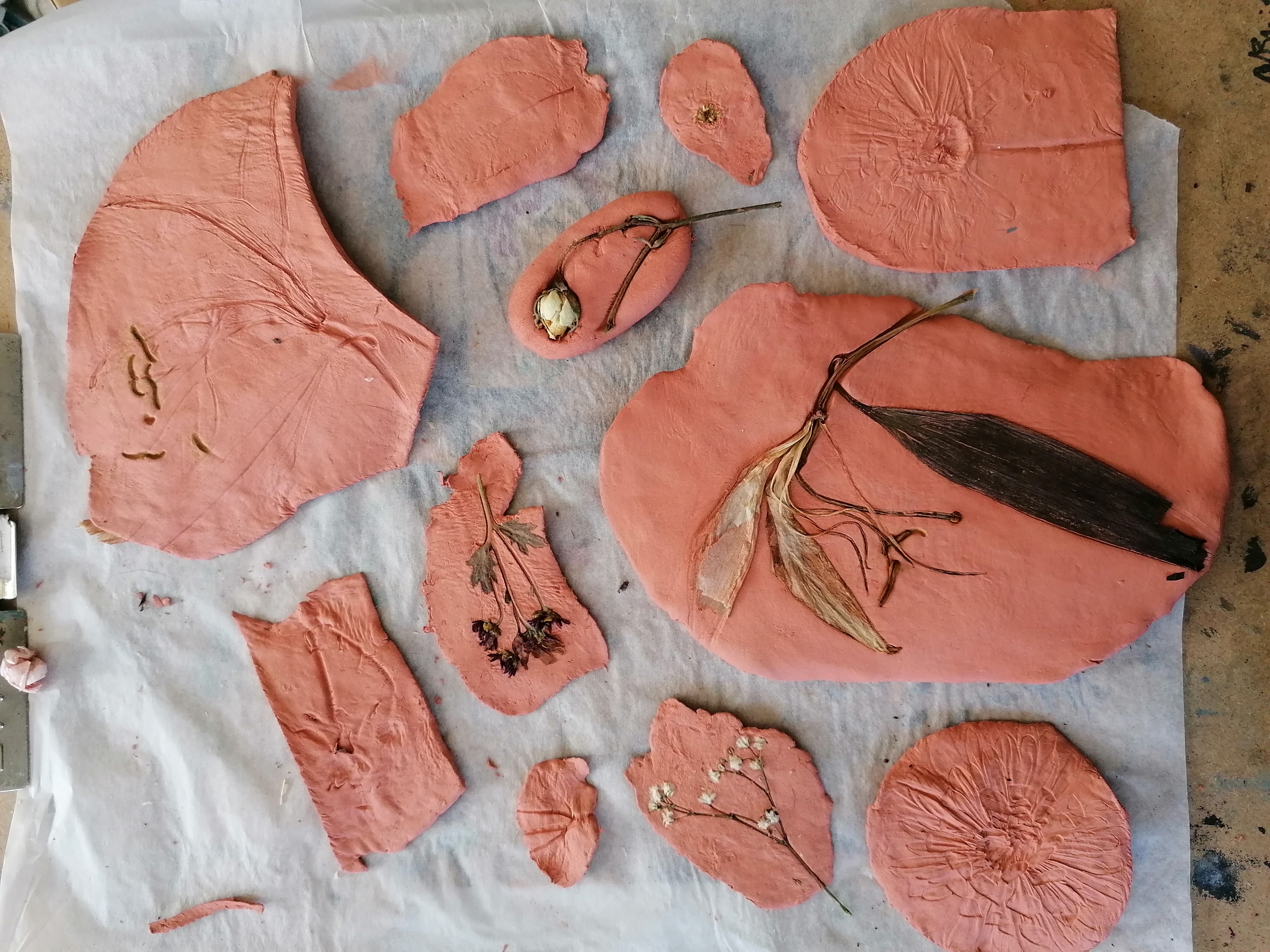
Taking the print and press experimentation further, I wanted to try capture that physicality more.
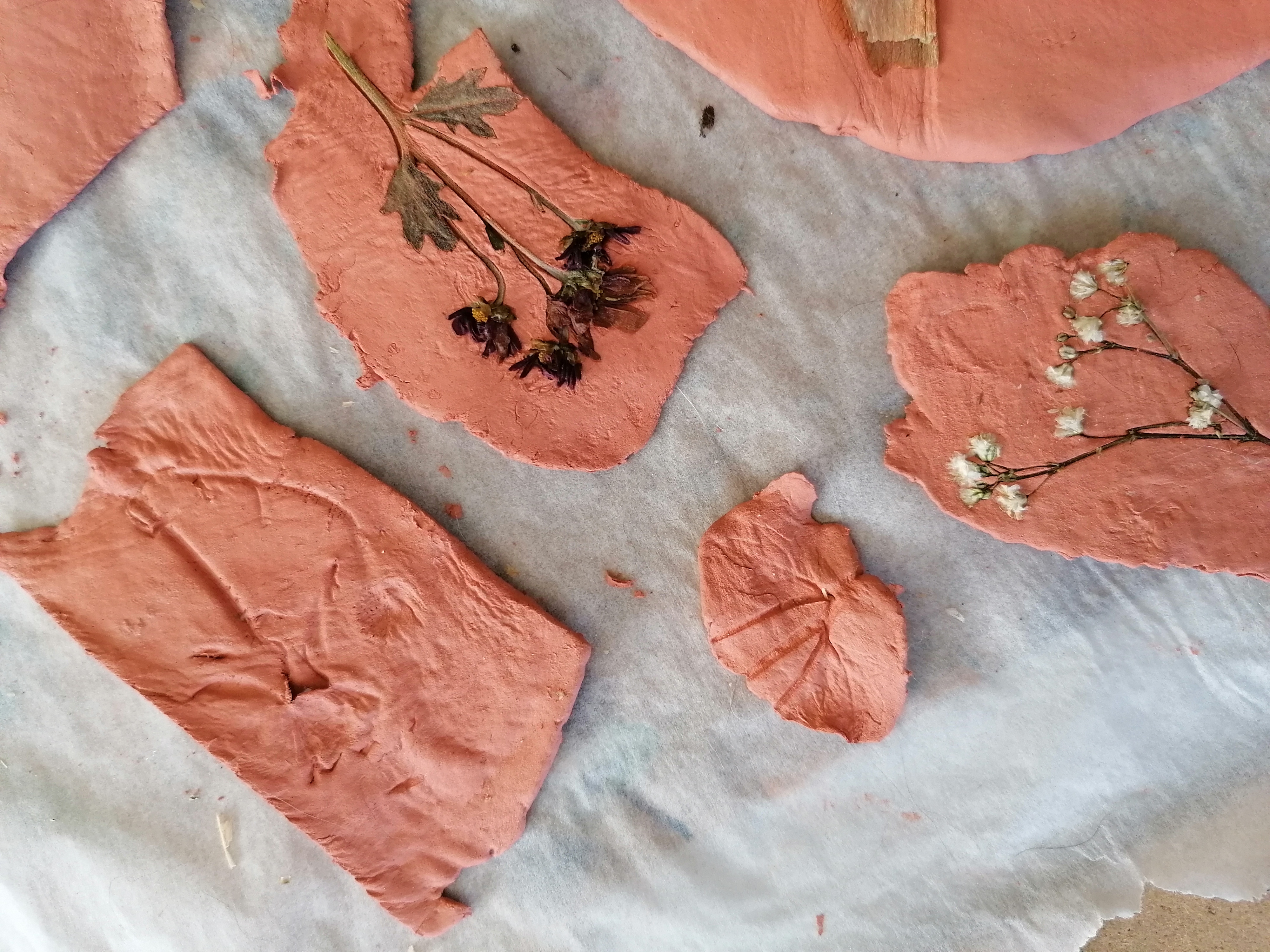
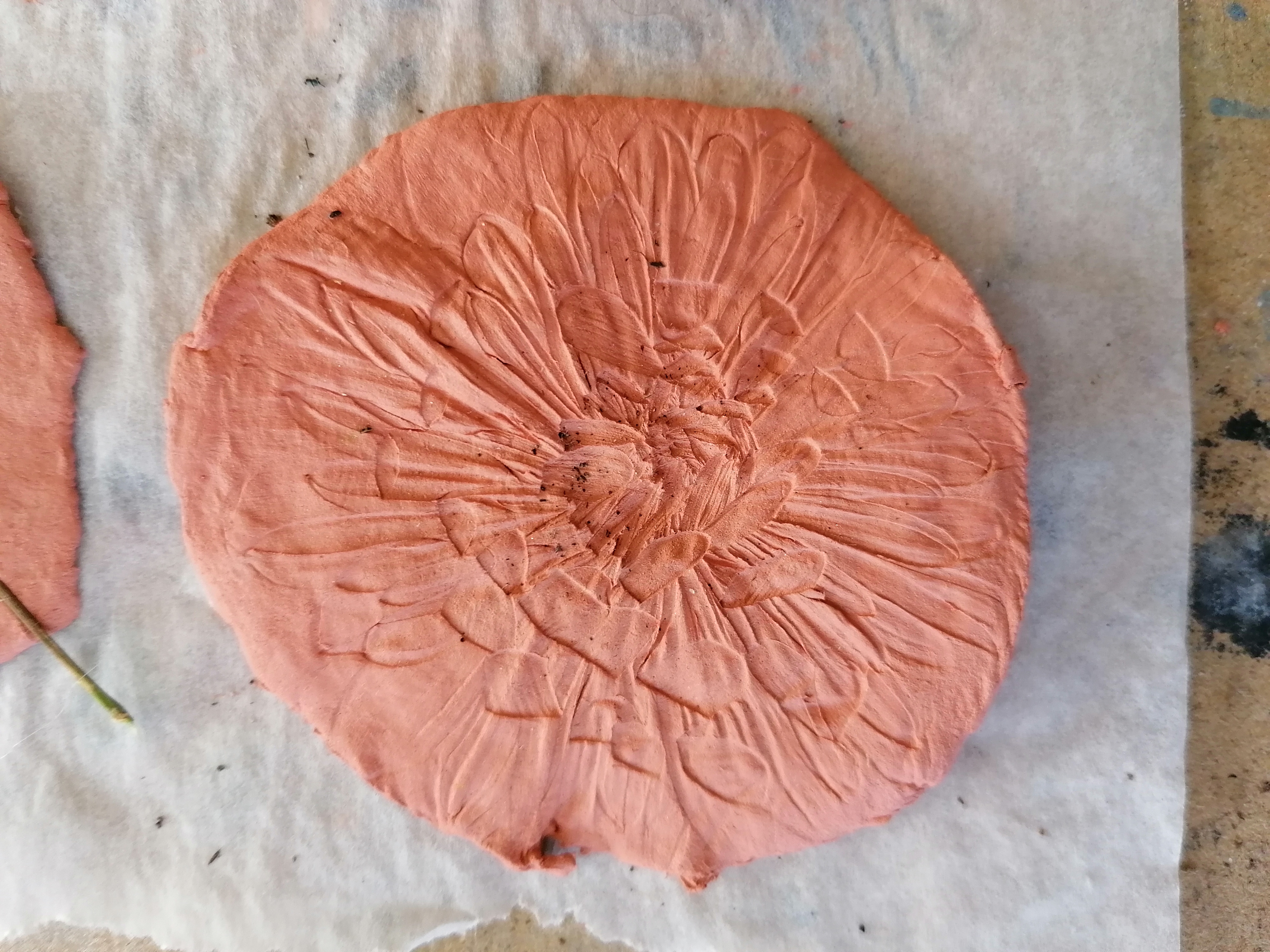
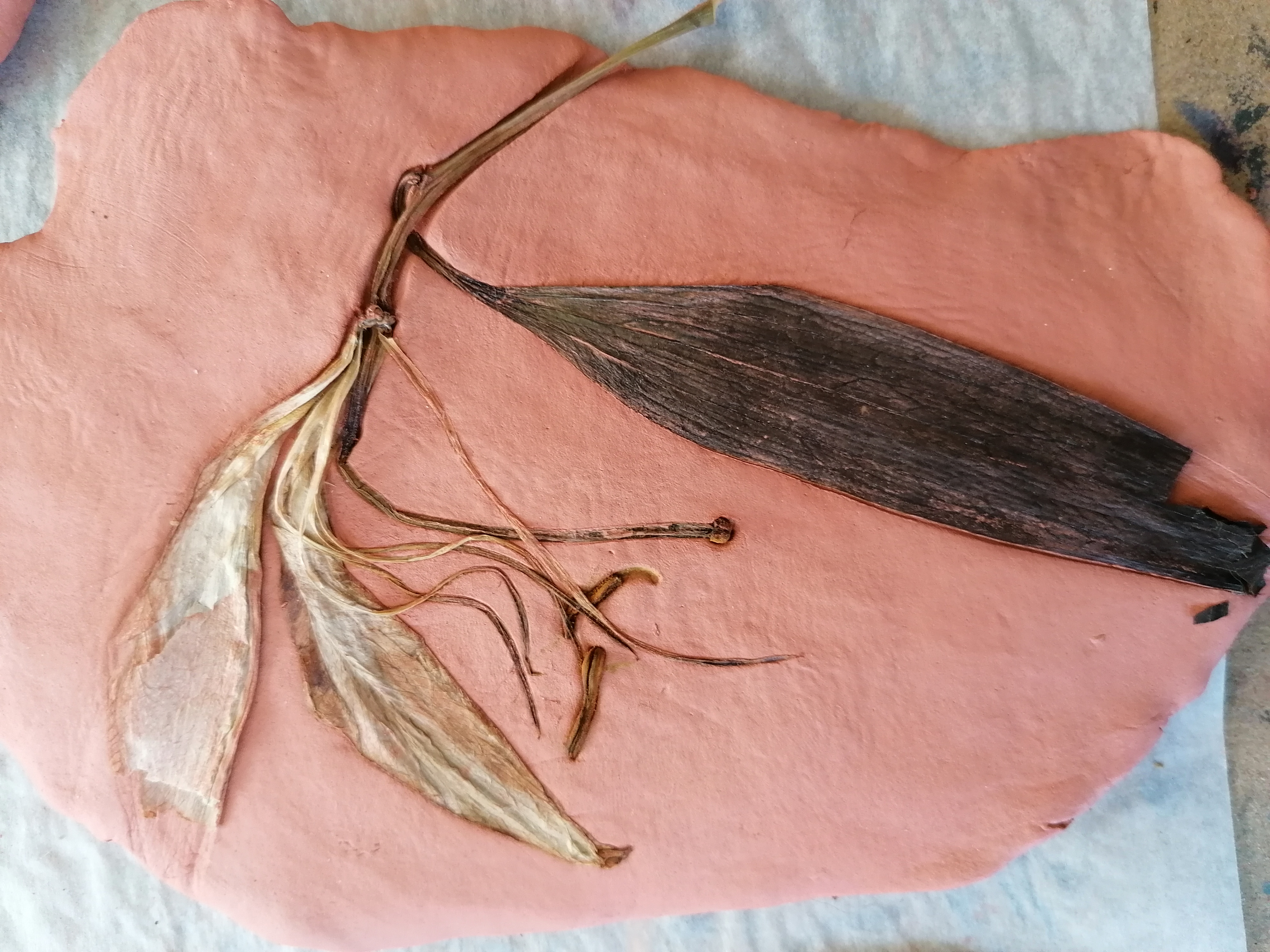
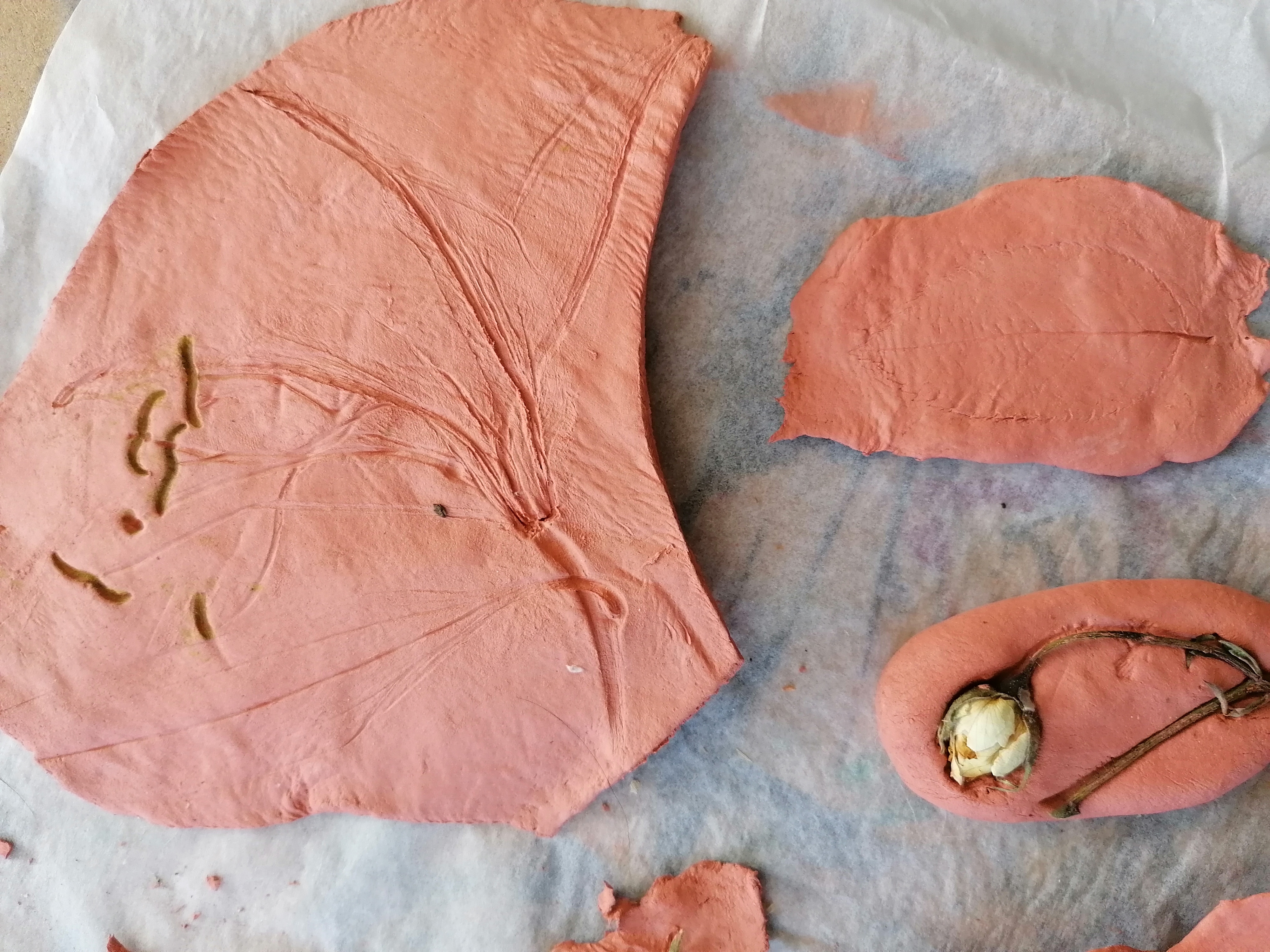
Here I pressed some leaves and flowers into some terracotta air dry clay to see what kinds of outcomes I would get shape wise and textual wise. I was quite pleased with what came out of this experiment, I definitely received many details in textures and shapes, I look forward to how I can produce these further.
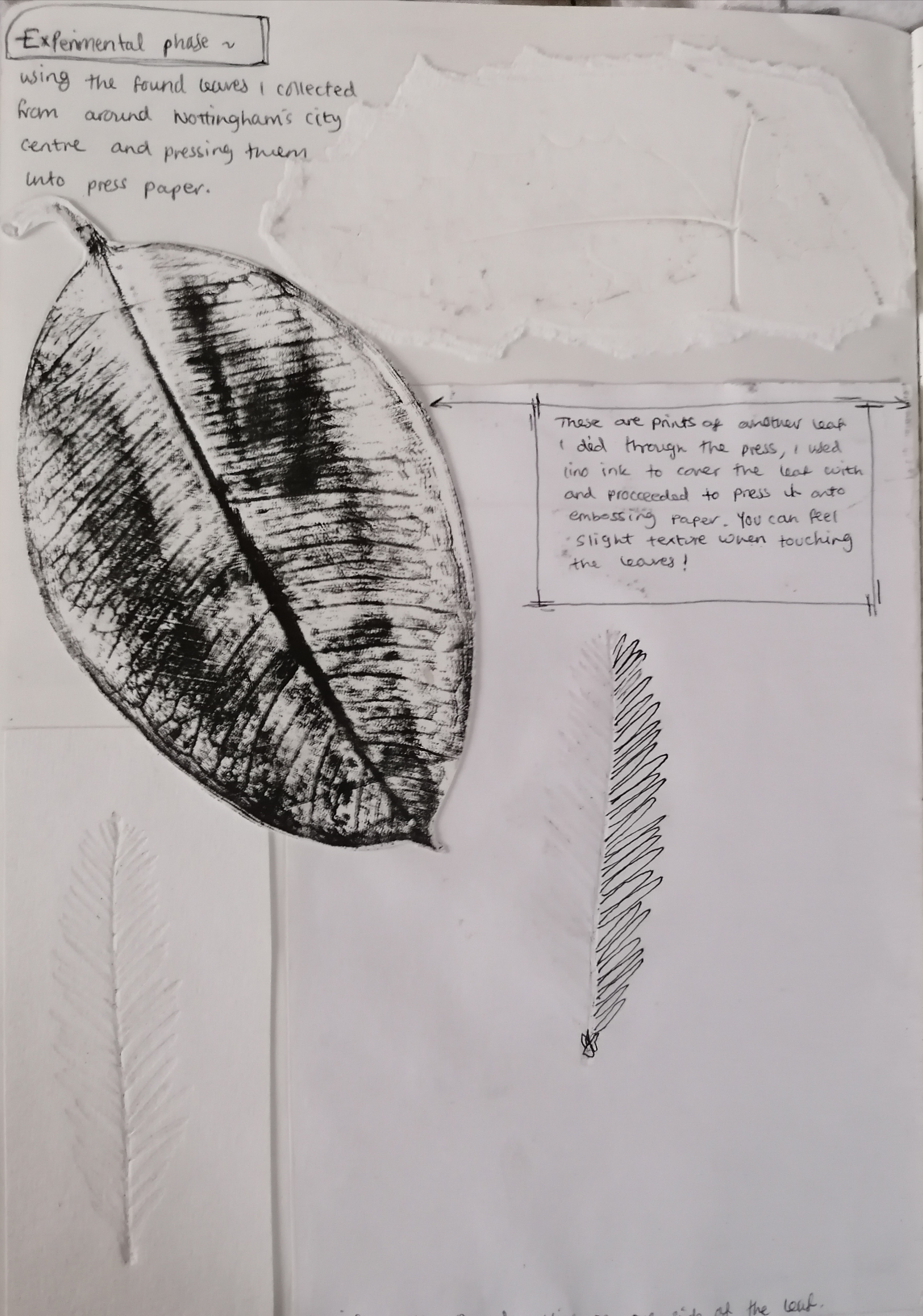
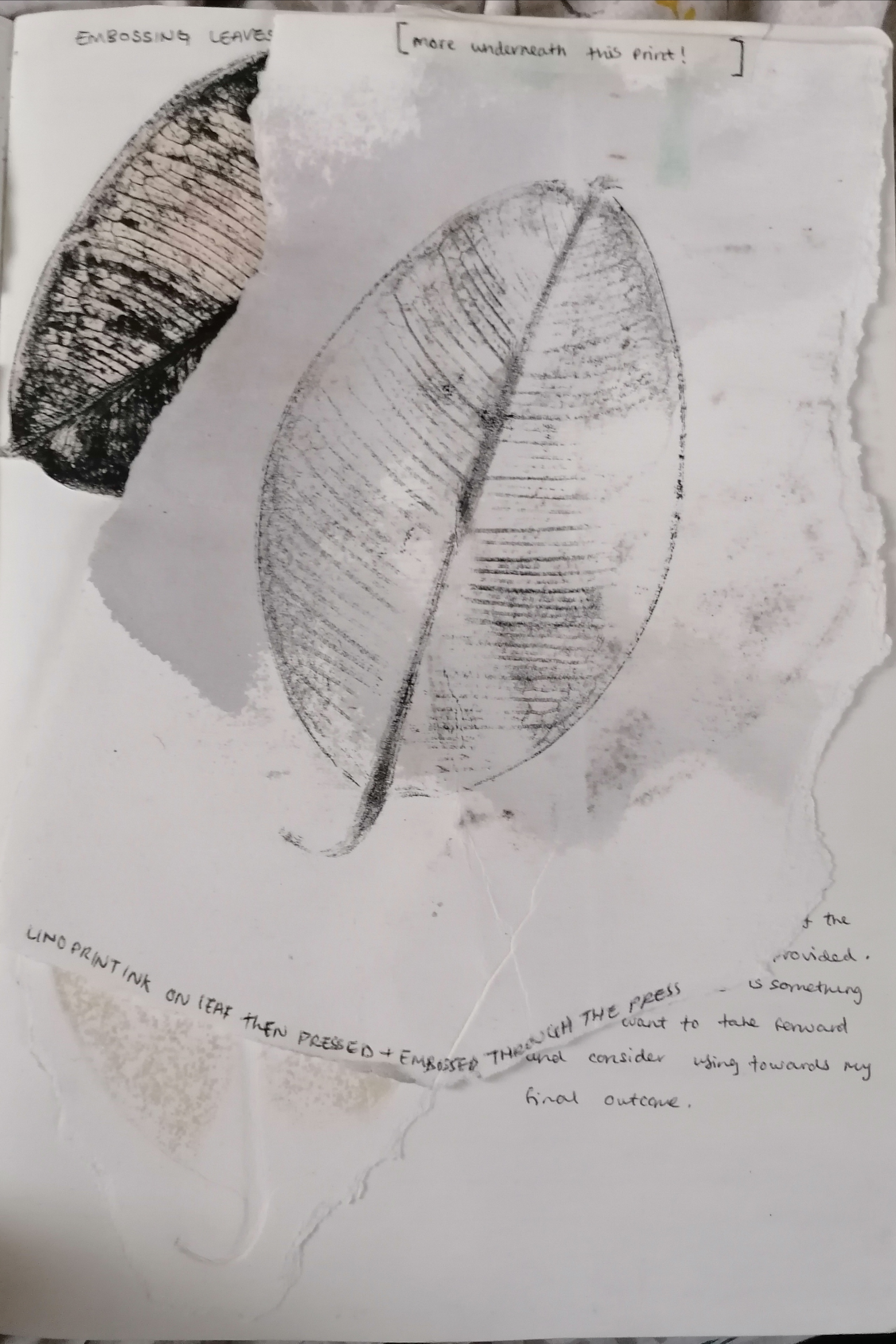
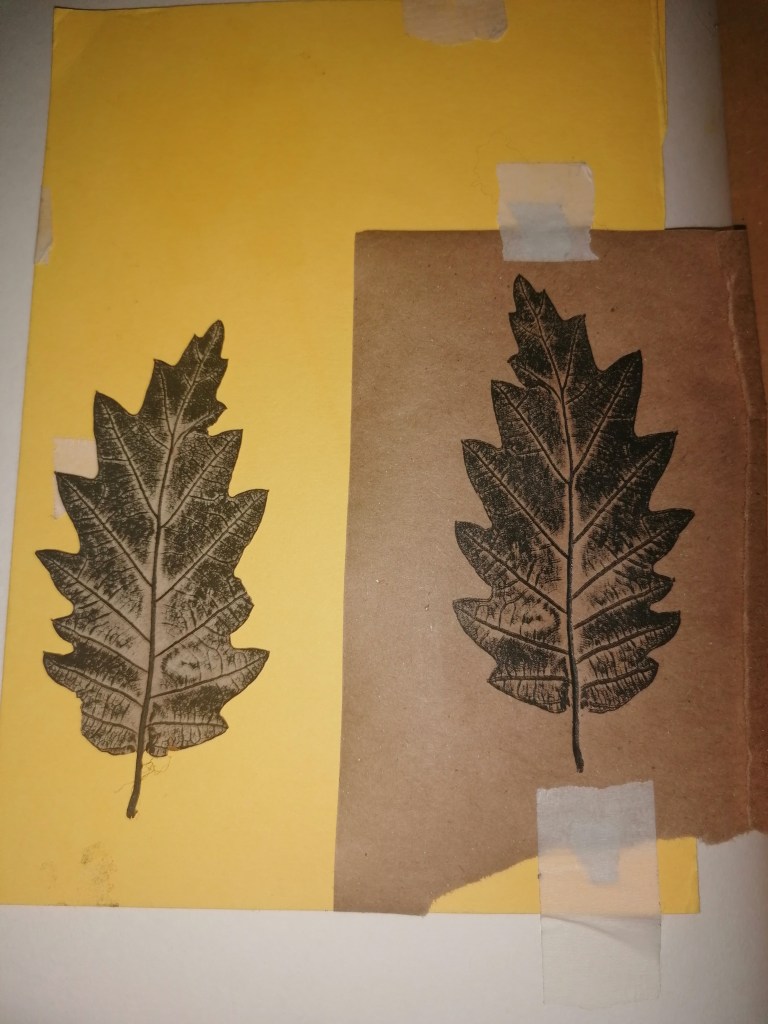
By gathering leaves, I started to play around with what I could do with them. Thinking back to the primary drawings I had done and the simple lines of some, I wanted to see if I could get similar results by print pressing some different, more textual leaves.
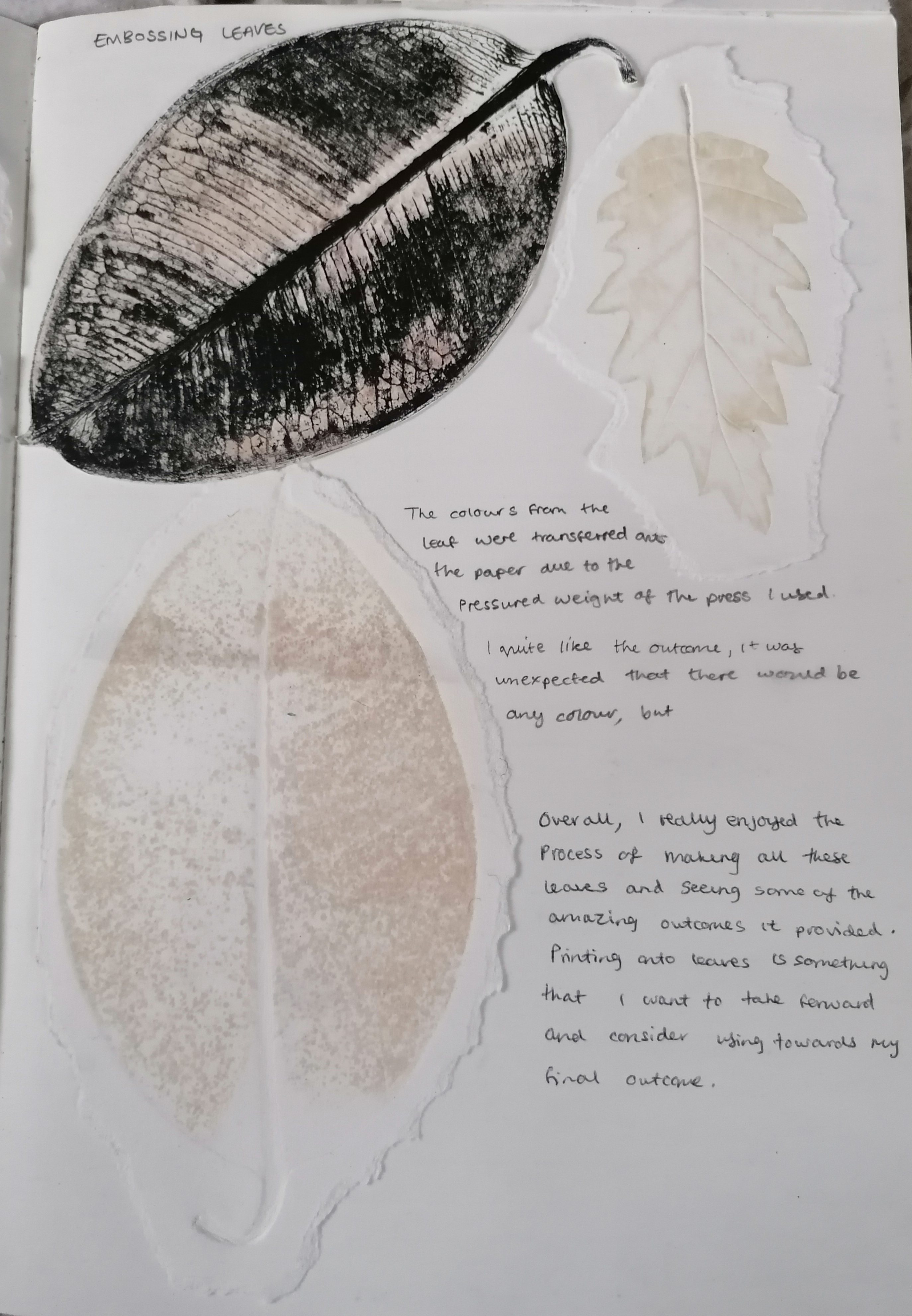
As I was pressing some of the leaves, natural colourings and textual shapes also transferred onto the paper I was printing on, and I really like the outcome of these.
I think that the textures that were transferred really made these 2D print come to life more than I thought. It made the prints more physical to touch in a sense.
I think that there is potential to develop pressing leaves into or onto other materials and backgrounds. I think that some of the outcomes that I’ll get could possibly play a big part into my development for a final idea piece of work.
Because I wanted to do a project that could help with my struggle with mental health, I decided that using a specific place that I often visit would be a great start to gathering my primary resources.
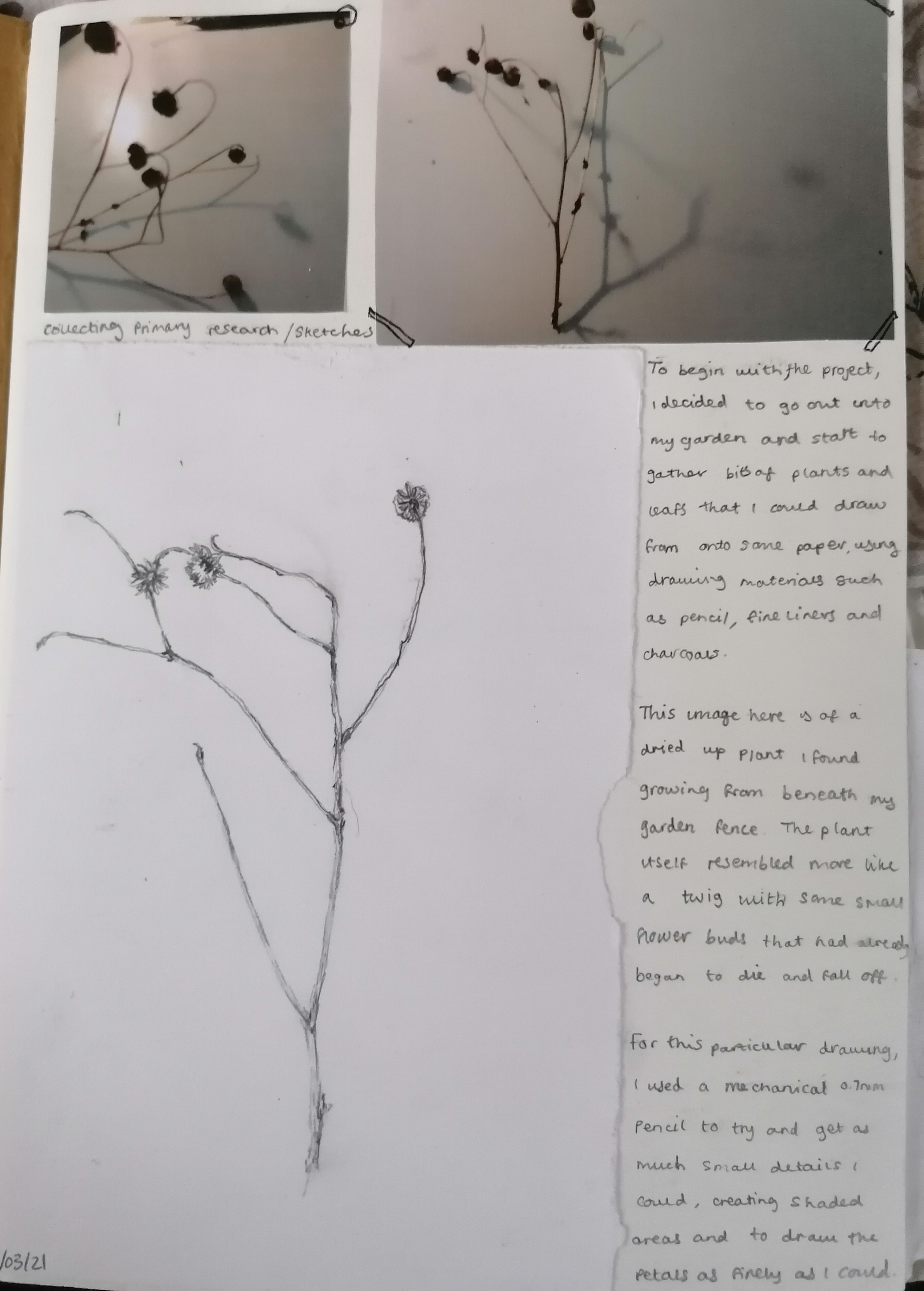
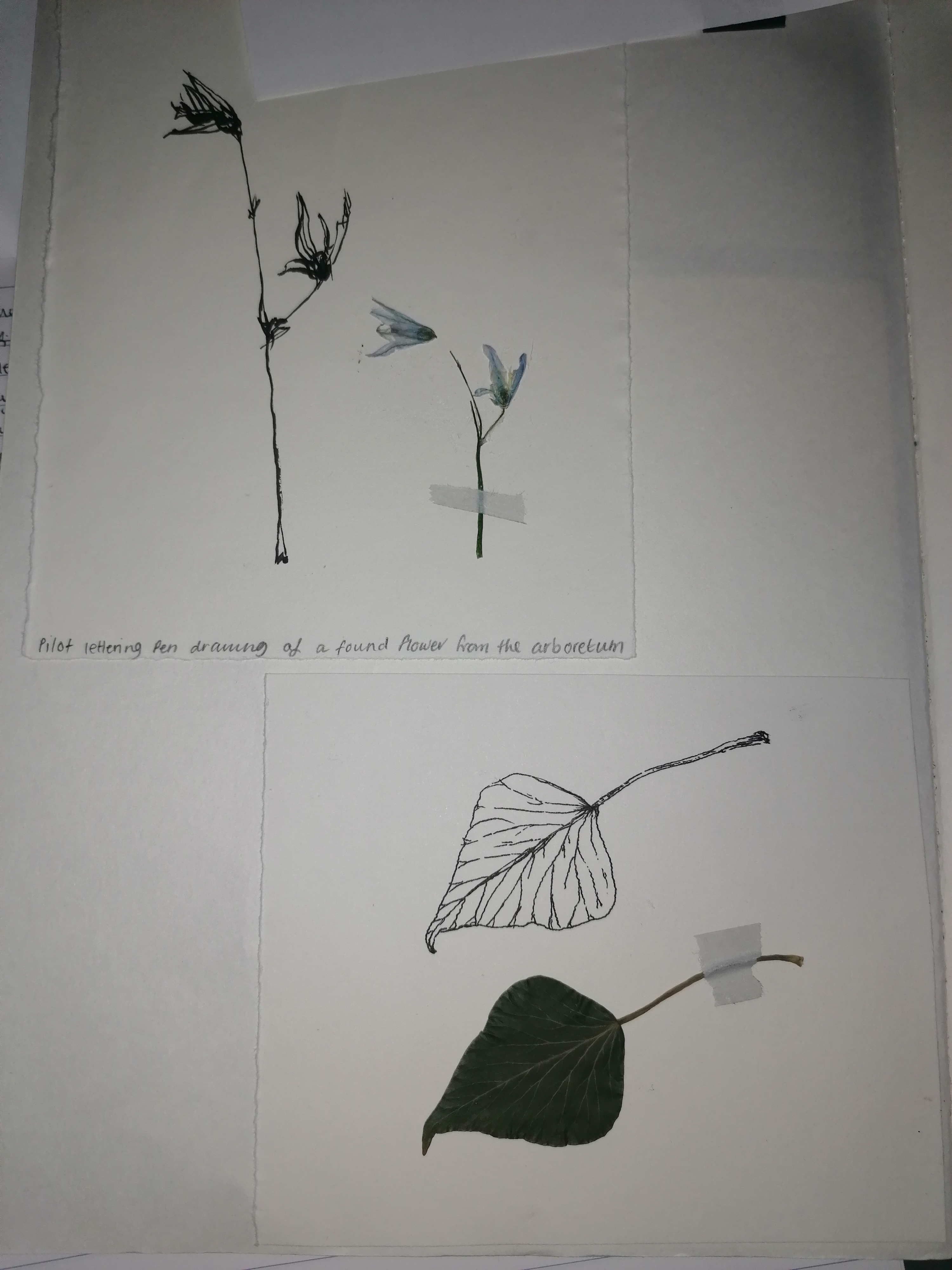
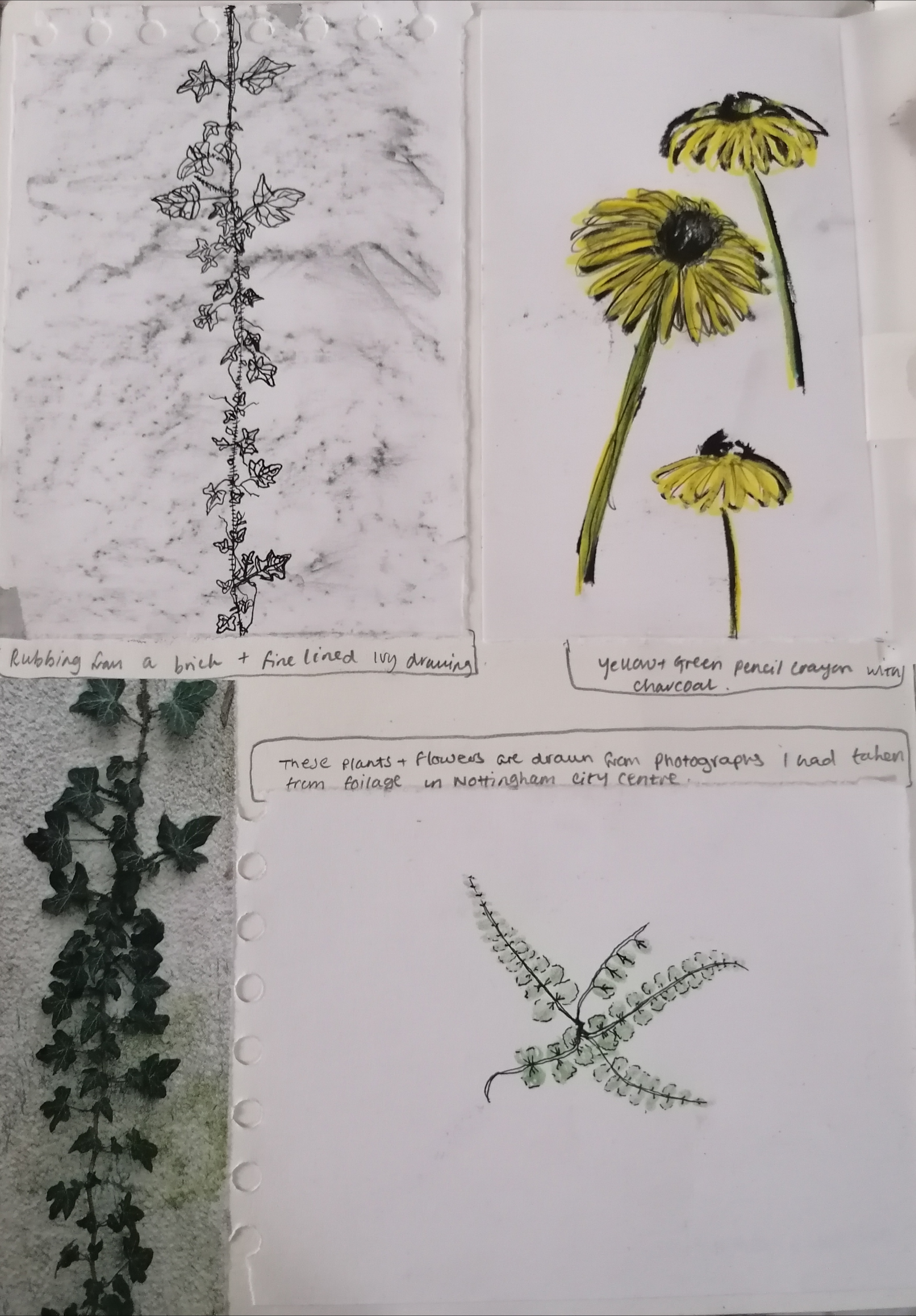
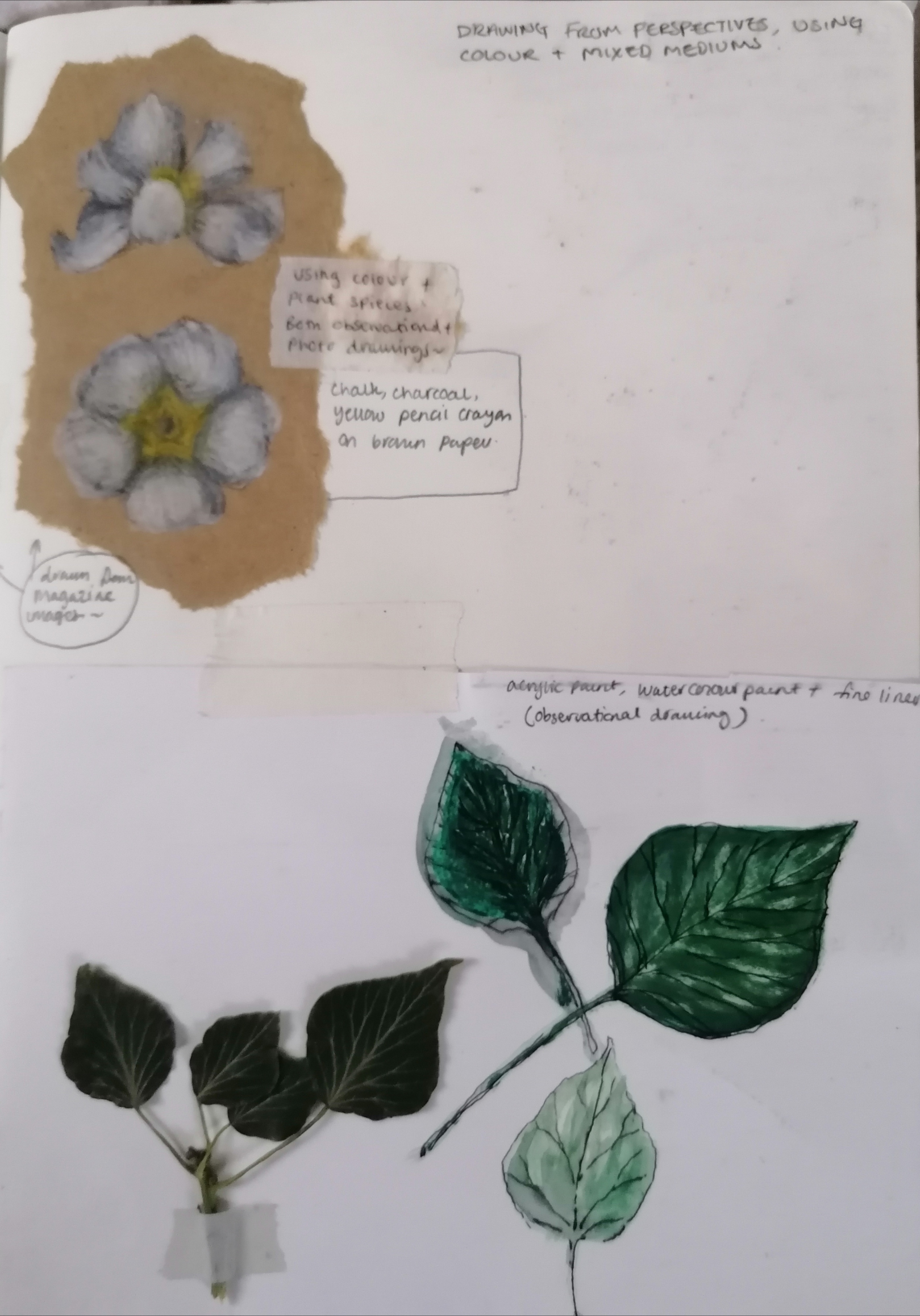
I started to draw out some small illustrations of plants and twigs that I had come by on a walk to relieve some stress, using a range of drawing material such as pencils, pens, charcoal, crayons and then progressed onto using paints.
I found that doing this was beneficial in a way to my mental state because I had set myself small tasks to go out and make simple drawings of these natural objects that I could achieve to actually do. To which my well-being began to improve at a good rate.
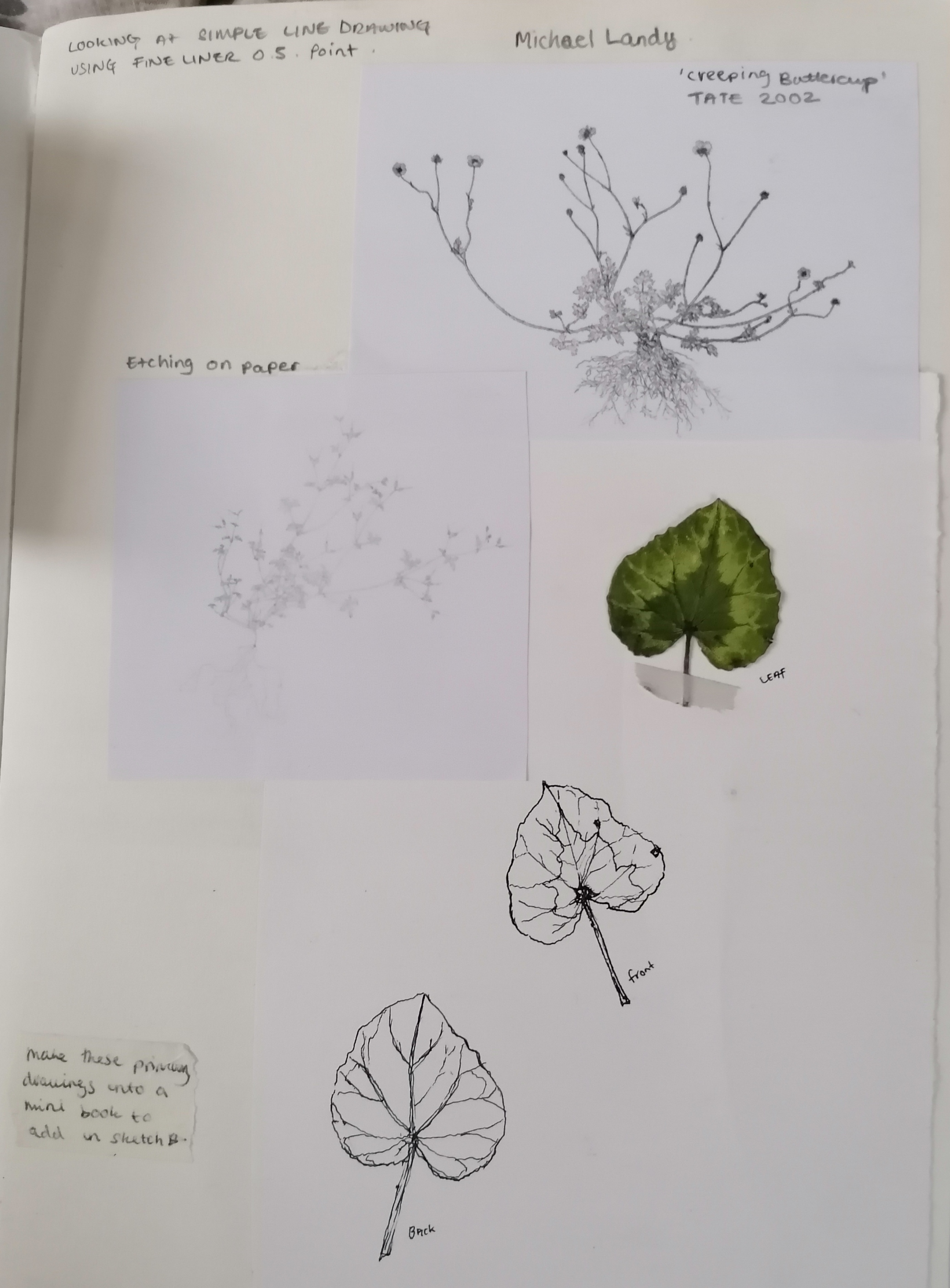
I think the monochrome simple line drawings of the leaves are really effective and has a delicate look to them. I would say they are my most favourable draws from the rest of the drawings.
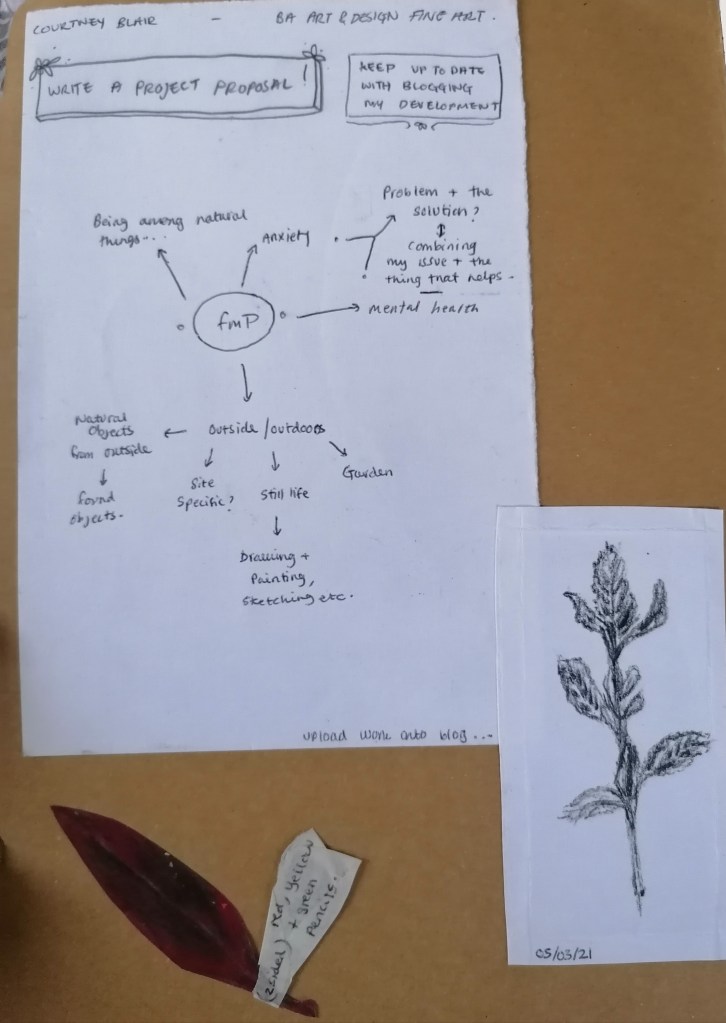
For this final major project, I want to look into the idea of using mental health and stress anxiety which I struggle with myself. I would like to look at the possibility of combining those issues with coping mechanisms that I use to help improve my situation.
I would also like to look at other peoples coping methods that help them if in the same struggling position, and experiment with using relevant and representative equipment and materials to get my ideas across and what it is exactly that I’m trying to express.
The project topic itself that I’m interested in doing is quite a personal subject both to myself and hopefully my future audiences will be able to see aspects of that in my art piece and development progress. I think in the current situation we are all in due to the pandemic, I believe that what I’m thinking of doing is also revivant to the current events which are happening. For example, having to isolate myself due to restrictions has a big part on my mental well-being and therefore has both influence and imposes effects on my work progress and everyday life.
I want to think about researching artists that may have relations to my project topic, and which could possibly influence and help develop my ideas further. Examples of artists I have thought about so far include Damien Hirst, Andy Goldsworthy and Antony Gormley.
I hope to experiment with a range of materials, techniques and concepts throughout the duration of the project to expand my skill and resources to develop practice wise.
When thinking about what I would like to do for ideas on the project, I was already sure that I wanted to base my project on something that I was struggling with at that time, to which I hoped would benefit my situation.
Before the fmp was set, I had been struggling quite a lot mentally and wanted to find some stability with a plan to help my struggle.
I found that using the mind map method helps me draft and note down ideas in a manner that isn’t too critically thought about and so it makes it easier for me to organise my thoughts and ideas at a later date.
So with this set idea that I had already wanted to take place, I started on Mt project proposal and started to gather primary resources straight away.
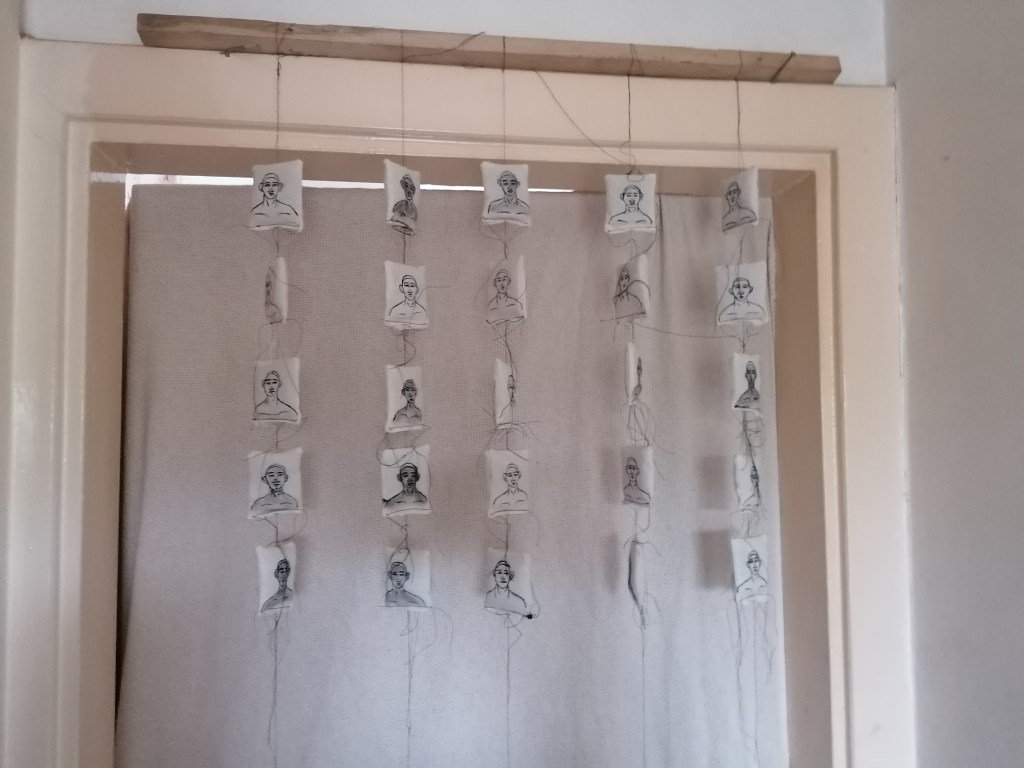
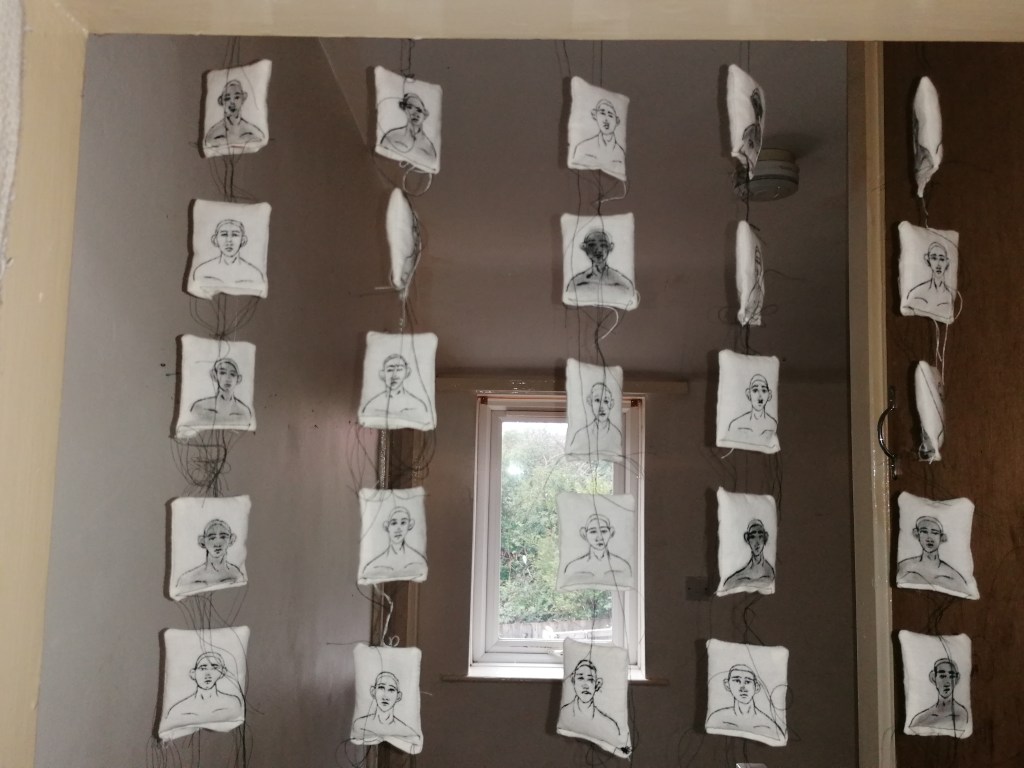
This isn’t my final piece, Though this piece was closely considered to becoming my final outcome!
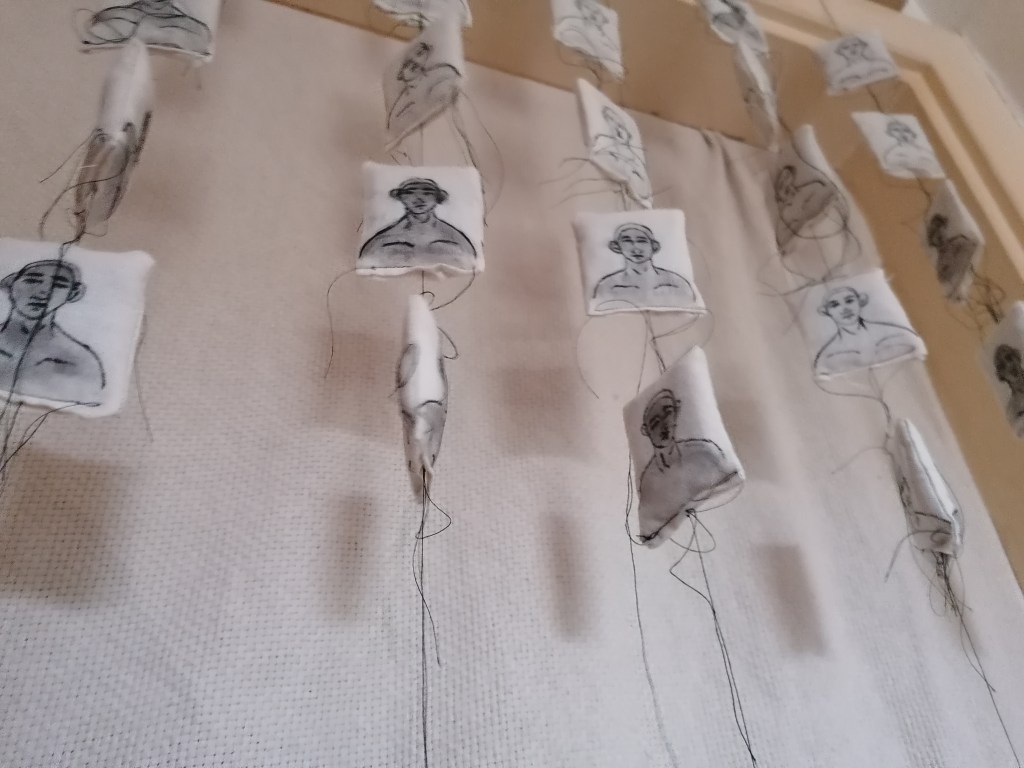
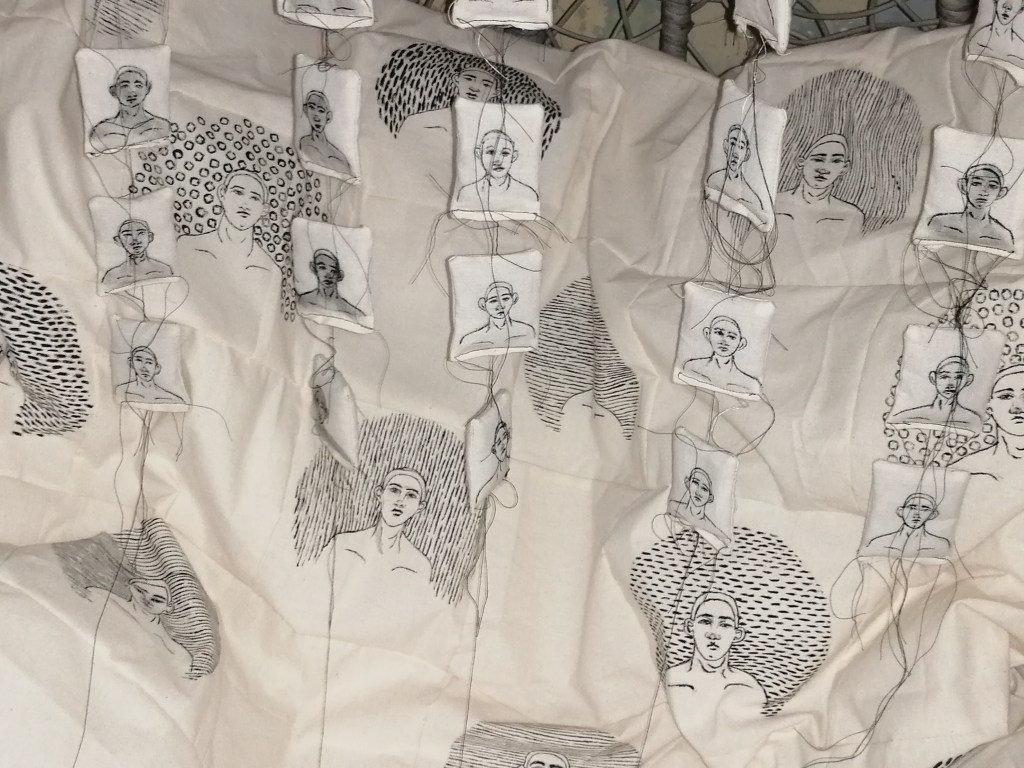
I wanted to post the development of this experiment too, I’m actually happy with the outcome though I didn’t have enough time to make more of the mini cushions, that’s why the piece is quite short. However I think that this piece would look interesting if I had more time and space to develop it further, I think I would definatly have liked to see more of the cushions take up more space, but also to prehaps see them enlarged, taking up the space of either larger walls or even the floor.
These pieces are made from the scrap materials I was left from working with the bigger cuts of fabric, and I didn’t want to waste anything so I used that to my advantage to experiment some more. This piece isn’t really functional, but what I liked about this idea was to try and create the work to replicate that surrounding fear area around the portraits into reverse positions almost. So the audience would be in the place of the portraits, whereas the artwork itself is supposed to be the surrounding area. Though because I didn’t have the space of the physical audience, that idea is on hold for the time being.
When sewing these cushions together, there was a lot of loose threads, but I decided to keep them visible and not cut the away because I liked the way they looked in the draping way, and they would sometimes move about which kind of brought the piece alive in a way with the movements.
For this project, I wanted to explore using a range of different medias, materials and processes but taking some direction forward from previous projects. I wanted to produce a piece of work that people and the audience could respond to personally or relate to through the theme of the project. I think having an impactive and interactive piece of work makes the artwork interesting in terms of seeing how people would respond to whatever it is they’re looking at.
To achieve the interactive involvement despite the pandemic preventing people to be physically interactive with the work, I wanted people to think about what I have produced and what it could be trying to express. So bringing in that interactive quality by making a piece of work that the audience could consider and see themselves apart of. That is why I decided on choosing the theme ‘fear’ to direct me forward in the project. I looked into what fear could represent and what it could be visually displayed as, and I wanted to look at what the effects it had on people.
So I looked into some artist that have used fear as a theme in their own artworks and that’s how Louise Bourgeois came to be my artist influence in the project. Louise Bourgeois had used her experiences of her fear and transformed them into domestic like pieces of work, creating room like set ups and a series of textual pieces which used to be her lived in domestic objects growing up. From there onwards, I liked the idea of using domestic like materials such as fabrics, and try to capture the theme of fear within them and transform that then into a domestic object of my own, a blanket.
When I think about fear and blankets, the association would be the problem and solution. As a child myself, my bed and blanket would be like a safe heaven back then. If I was scared of the dark, I would encase myself in my quilts and blankets to protect and comfort me from whatever it was I was so afraid of. However, now that I am a grown adult now, my view is that my blanket is comforting, but it doesn’t completely dissipate my fears or anxiety. Therefore, in my development stages, I thought calico would be a good material to use because it has its fabric qualities, but it isn’t the most comforting material. So I liked having the idea of using something where its purpose is to comfort, like a blanket, but is off putting because it doesn’t feel right.
In my proposal, I mentioned at wanting to look into textures of materials and media, and exploring ways of which I could experiment with them and present them. So I played around with fabrics and medias like paint, charcoal, chalk and pencil to see where the experimentation would take me, and that’s how I ended up deciding to use acrylic and calico as my driven material for this project. Given the idea that I wanted to make a comfort like object of something with qualities of it at least, I needed to think how I could progress those thoughts further. And that’s when I decided to explore with portraiture, fabrics and mixed medias and tried to combine those materials with the theme of fear.
At this stage where I decided on exploring with portraiture and fear, I wanted to gather examples of people’s fear so I could try and draw that into portraiture. So I asked on my social media examples of my followers fears, but decided on keeping them anonymous. Once I had these fears written out, I decided to draw figurative portraits of people that don’t actually exist, they are imaginative and completely random human characters. I liked the idea to keep the portraits simple, because if I were to draw portraits based on real personas I felt like that would take away the idea that anybody could see themselves in aspects to the work. I felt that if I were to do that, then the fear would only be subjective to those I’ve drawn.
Through the development of the portraits, I came to realise that I liked the idea of making the figure similar in aspects that they were all sketched using the same template, but each portrait came out a little different to the last which I found really interesting because I was practically drawing them all the same, so even though they are not real people, they are still their own character in a small sense because it wasn’t intentional to do that.
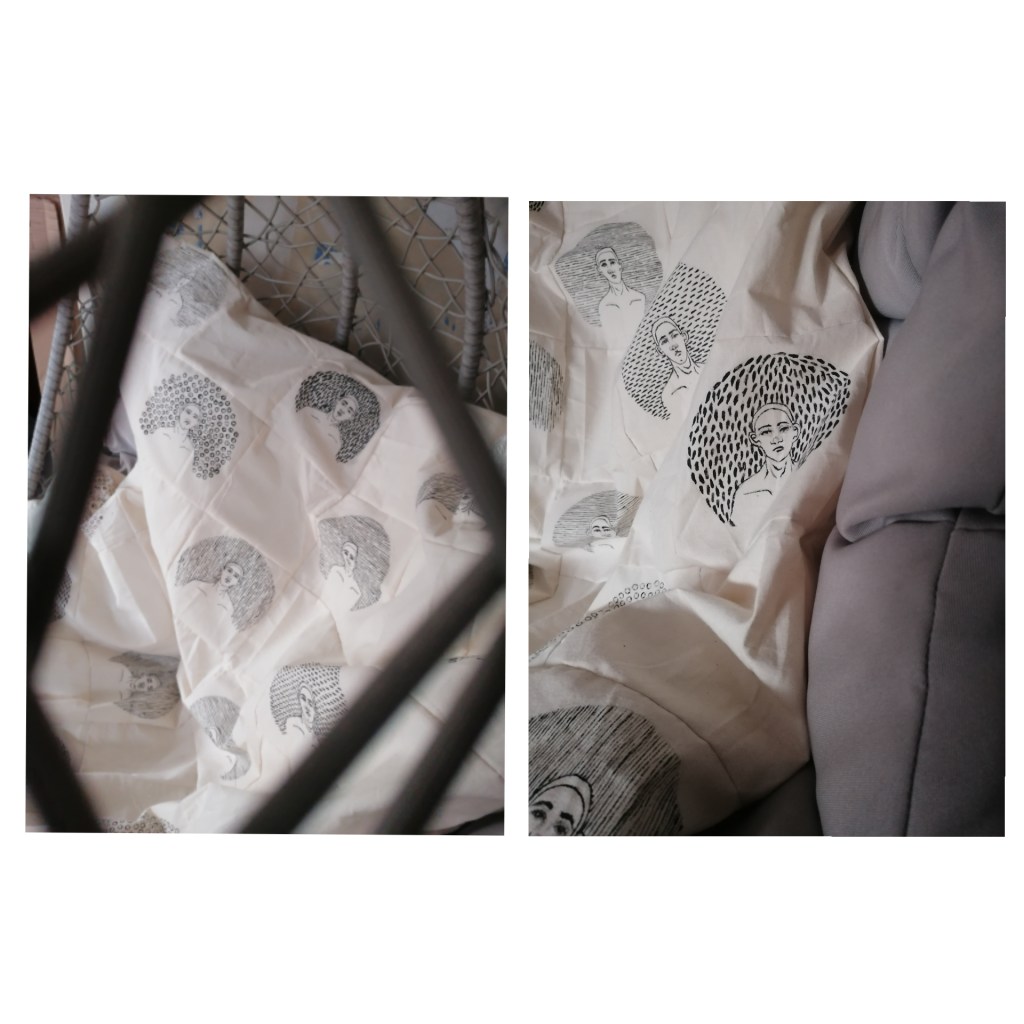
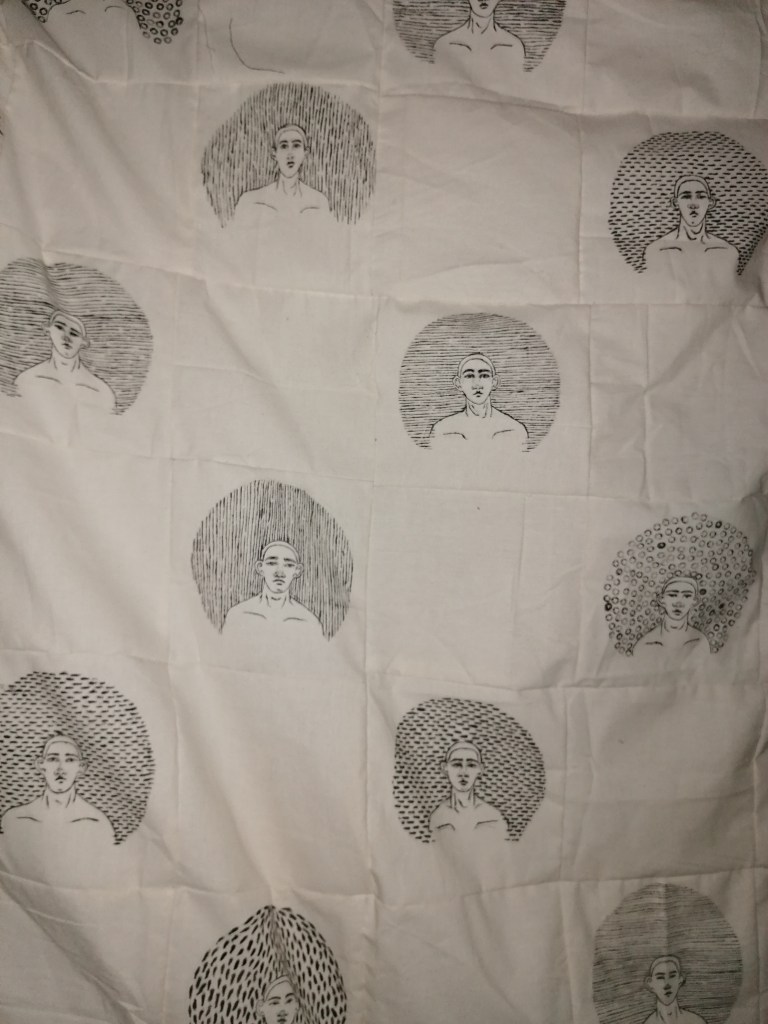
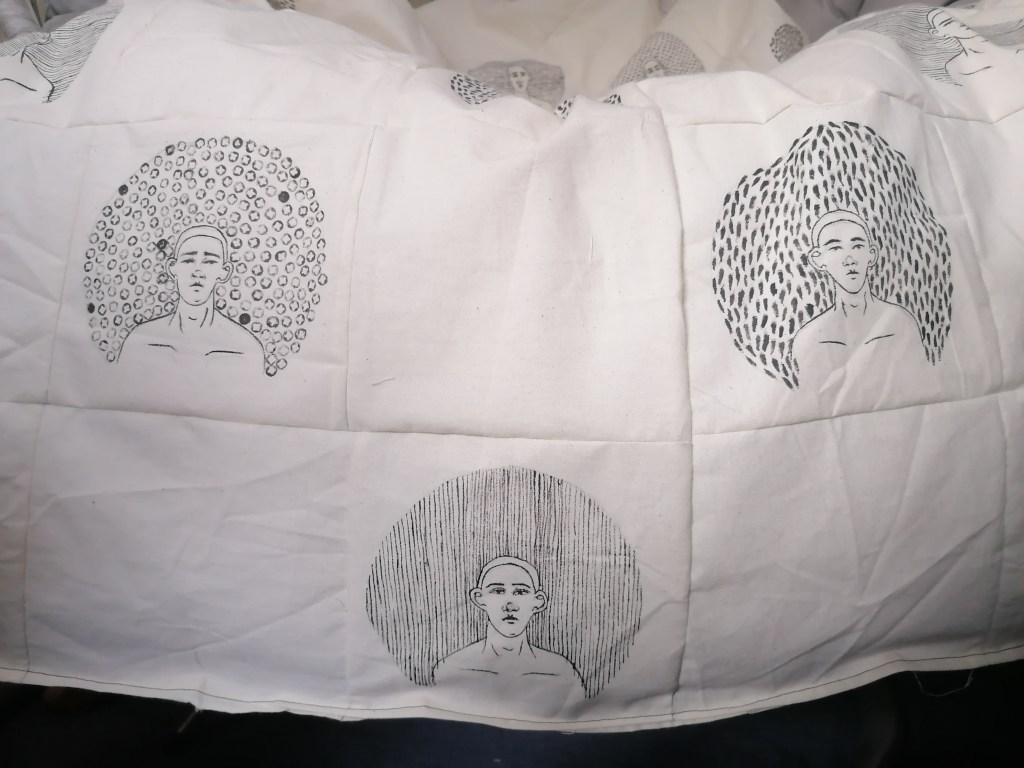
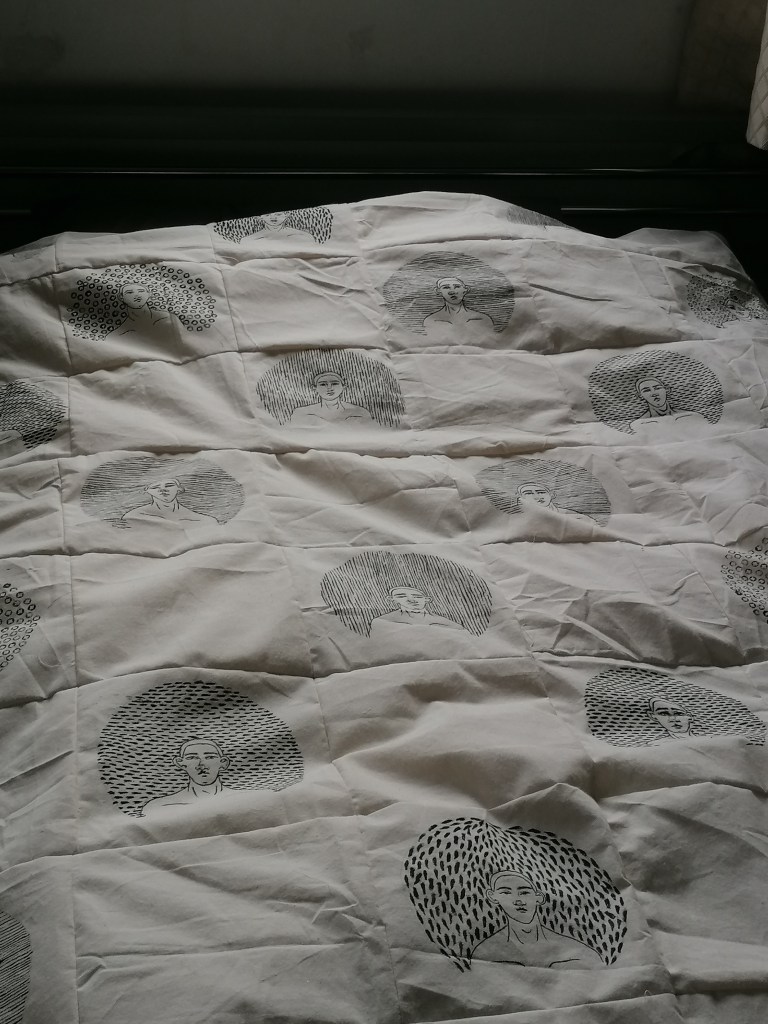
I eventually found a method of making portraits in a scale and pattern that I liked and thought could look effective, centring the portrait around unidentified markings that are supposed to represent how fear surrounds us when faced with our fears. I decided on using a bold colour such as black because the colour contrasted well with the off white colour of calico, and because of the portraits form, it made the surroundings of the portrait seem powerful, which is what I’m trying to visually express with how fear effects people and how it can make one feel. I kept producing more of the portraits and that when using multiples entered the idea of things, and that worked well because making a blanket with multiple portraits could work. The production of making the blanket were interesting and time consuming because everything was hand drawn, cut and painted, except from when it came to sewing the blanket together.
I think in terms of pushing the idea further, If I had the space I would have liked to maybe make a room surrounded with tapestries and blankets to create an overwhelming feeling, that could feel good or bad depending on the person viewing the work. That would put people right into the centre of the work and recreate that surrounding atmosphere of having a huge blanket of sort around you but also having the awareness that in circumstances, that’s how fear is felt to some people. I think that if I was able to use the workshops too, print work would be interesting to use because of the element of using repetitive patterns and portraits, that is something I would have liked to experiment with in this project.
But overall, I really enjoyed the process of the amount of work I was creating throughout the project, It is just a shame I was limited to the confiding space of my room. But even then, using my room to my advantage too is what’s interesting because my room is my comfort zone when I’m making a piece of work based on the opposite to comfort.
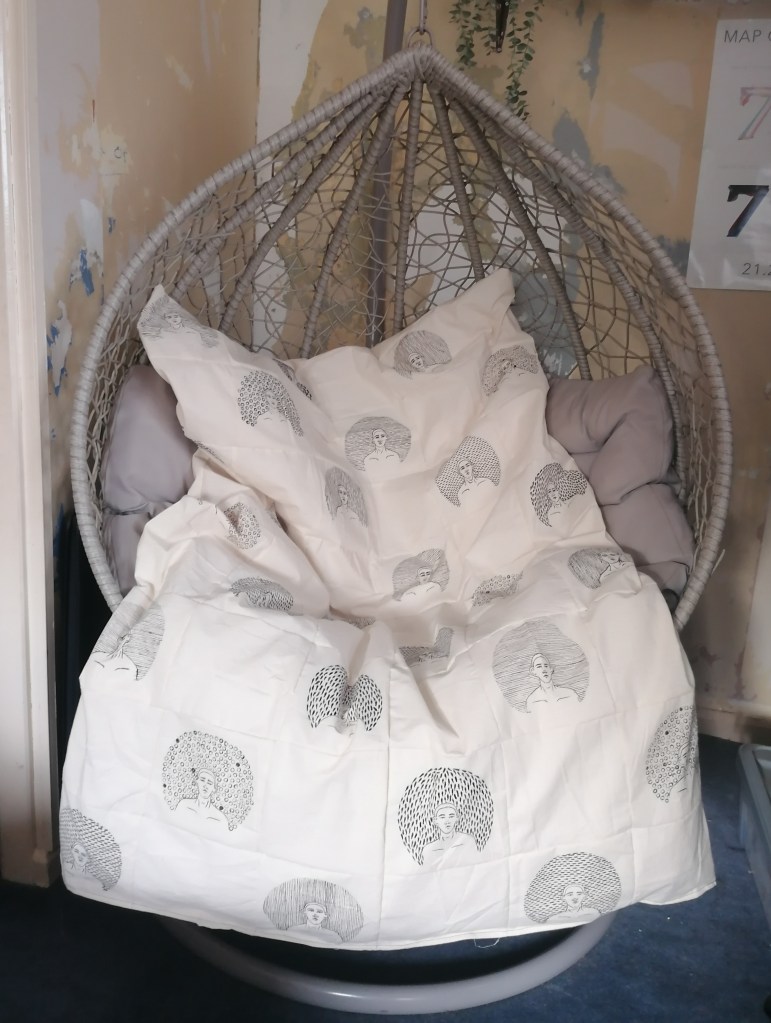
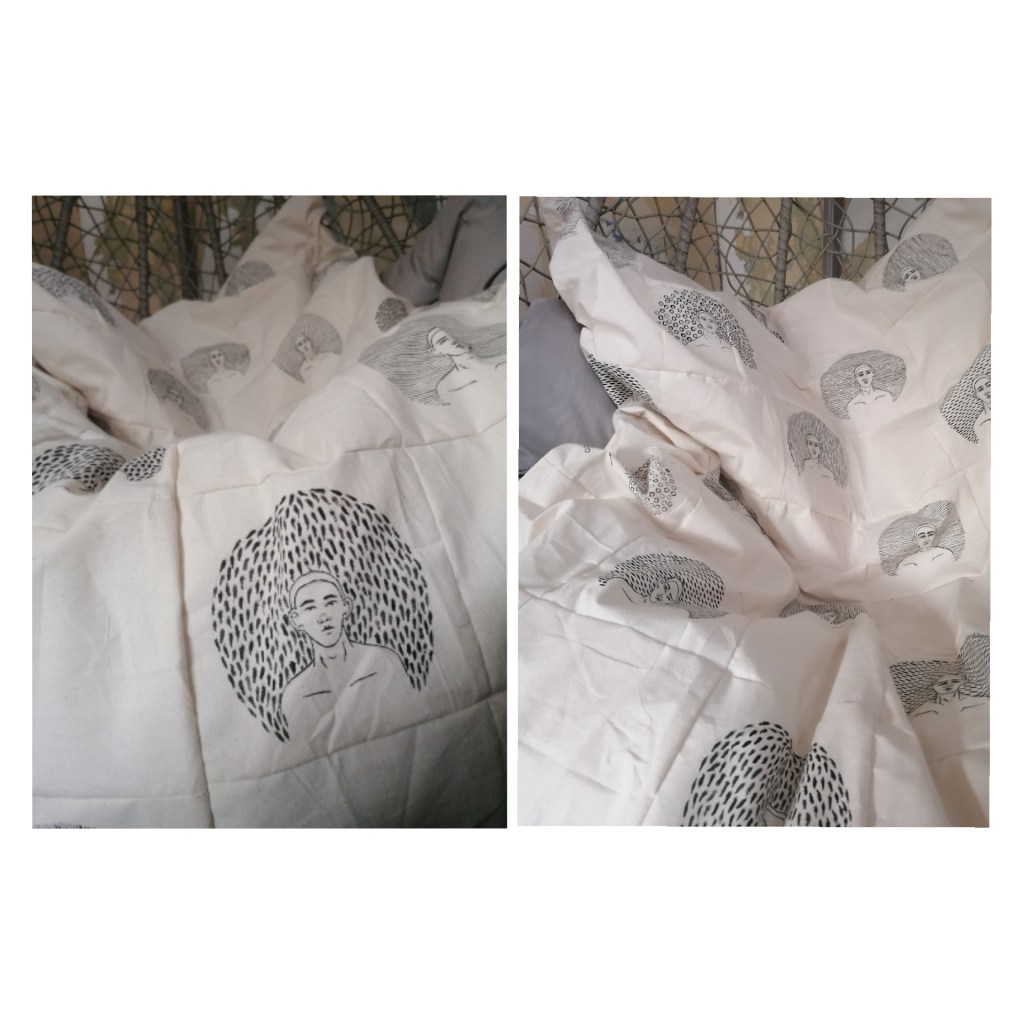
DIFFERENT ANGLES OF OUTCOME * My egg chair is where I will go to if I feel anxious, stressed or need to have a minuet break. It is a seating place that helps me to feel more comfortable in my living area, and the blanket outcome seems to be ideal for just that place. The blanket is to portray the idea of fear and comfort.
In this post, I have basically written the process of making the blanket and have produced images too, though the quality of the images are not that great, sorry about that
– pattern layout –
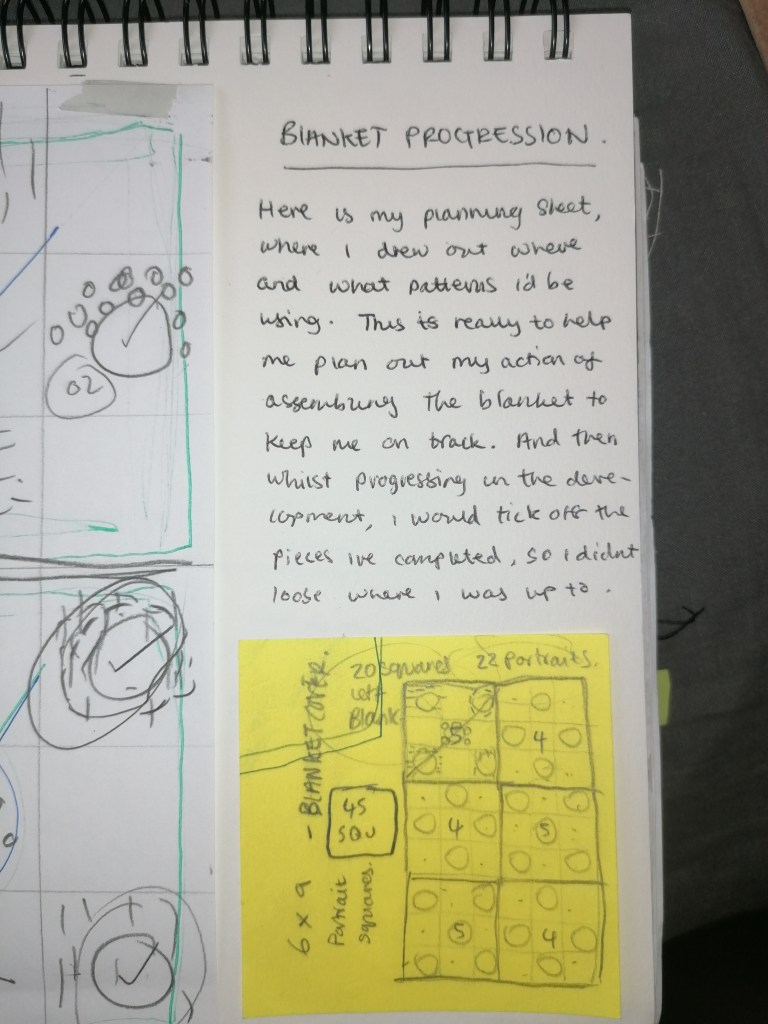
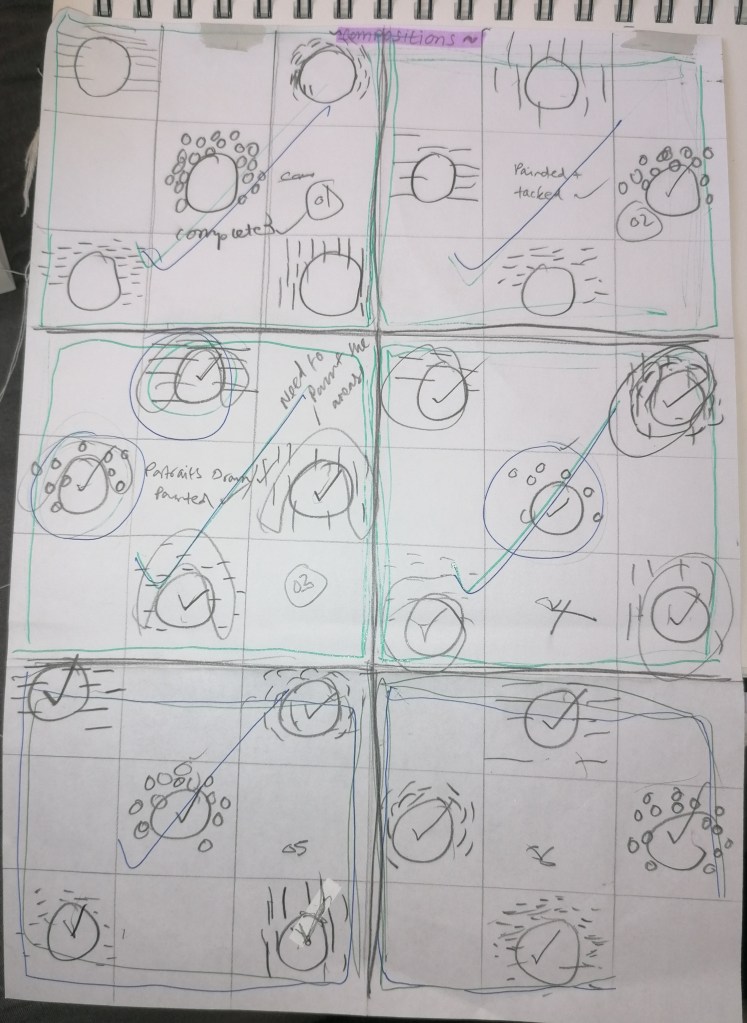
I thought that because I’m making a blanket, I should make a layout plan of how I will produce the piece. So here, I made sketches of what patterns I will be using and what there placements will be when It comes to assembling the blanket together. This way, it helps me stay organised and shows me how many portraits of which pattern I need to make, so I wont produce more than I need and to help me stay slightly organised in the process of things.
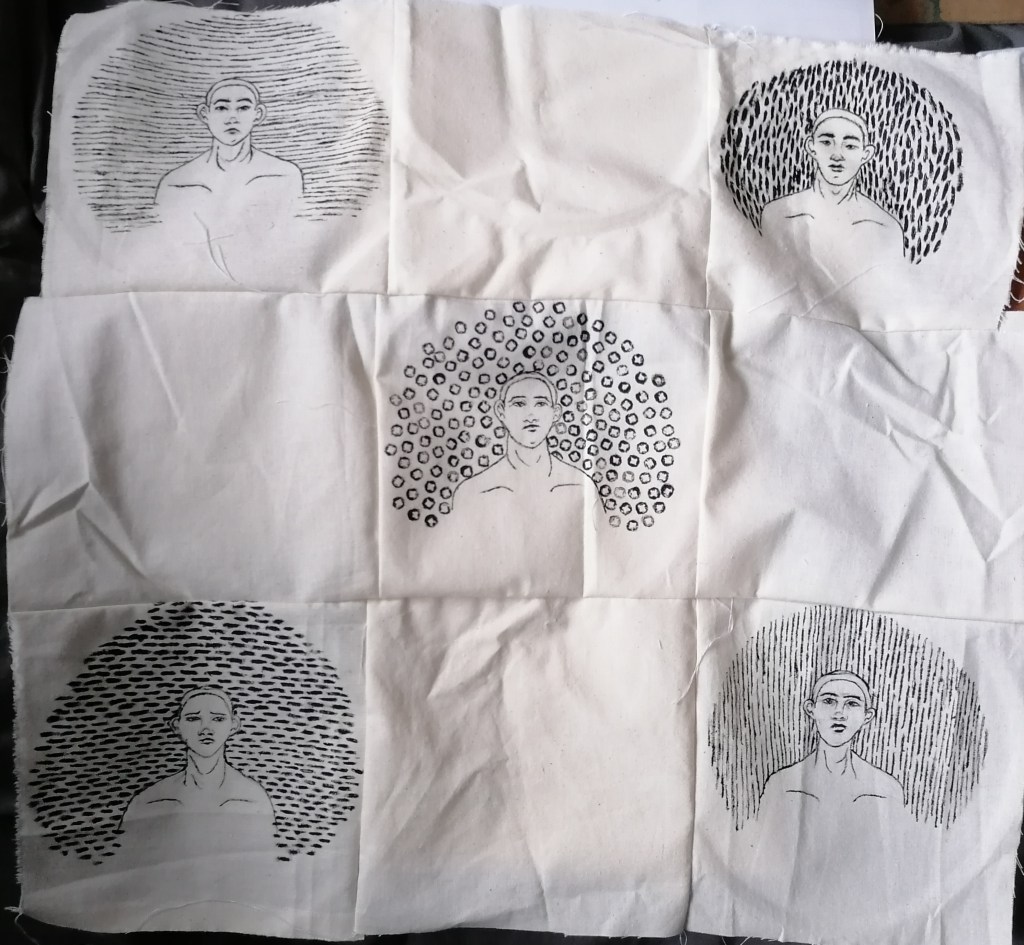
these are the portrait patterns I will be using for the blanket
The blanket consist of 54 fabric squares, 27 of them will be the portraits. I decided that having spaces between the portrait pieces would be better in terms of production time, because the portraits are all hand painted they take some time to do(30/40 mins each). I also decided to just stick with the same repetitive patterns to maintain a neatness in the work, but also to keep the black marks bold, I noticed before that when I used a smaller textured object (like the shell) the markings didn’t come out as striking as I wanted them to. So I stuck to using markings I knew wouldn’t disappoint in that area.
So the first step into making the blanket, wat to make sure I had enough fabric supply to start making the portraits and cutting the fabric to size. Once I had made sure I had enough fabric, I got straight onto sketching out 27 portraits with a scaled template I made earlier on in the project (3.5″ inches H x W) In the centre of the square fabric cut, and created an outlining of a circle that will guide me where the markings will meet, to roughly keep all the portraits and markings to be the same size. I found that when I didn’t use a guideline, my portraits and there fear surroundings would be out of place and when put against each other, they would then look messy.
Completing all the portraits took me a while to do, but when I eventually drew and sketched them all out, I then had the paint them using black acrylic and a fine paintbrush. I secured the fabric in place using an embroidery hoop to prevent paint smudging and sort of flattens out the creases in the fabric. I proceeded to paint the portraits, using my sketches to which order I would paint them, and group the pieces together.
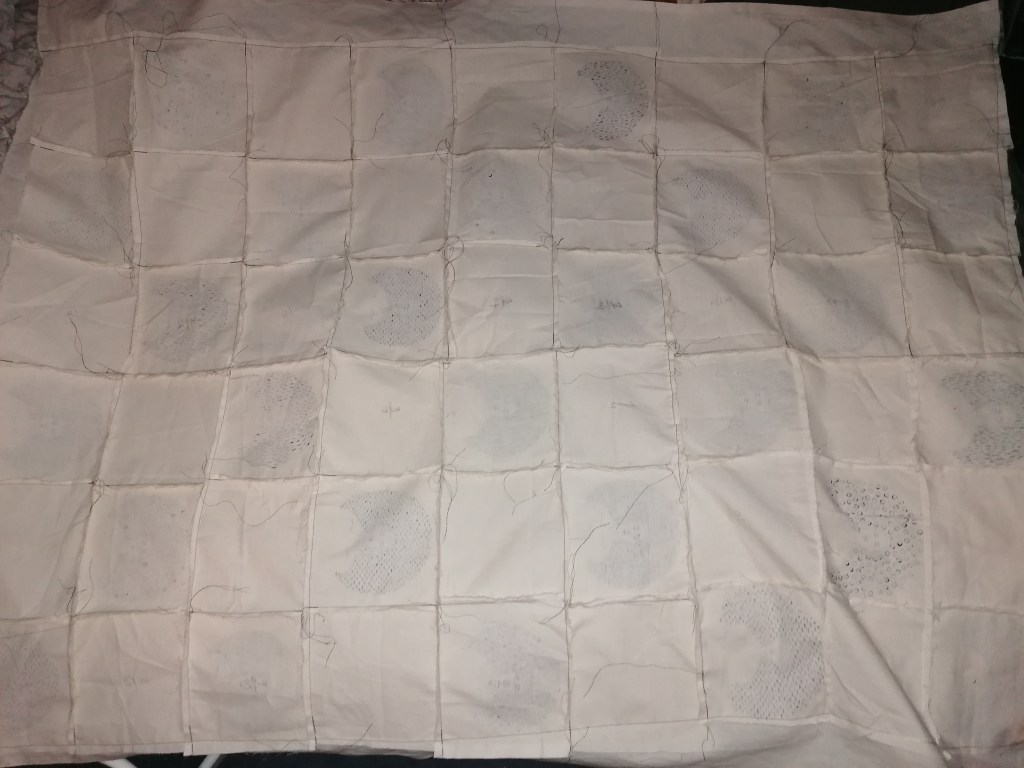
After I had painted all the portraits and arranged them into 6 groups of 9 square pieces, that’s when I began to tack the pieces together to form a larger piece of fabric like the image is showing above.
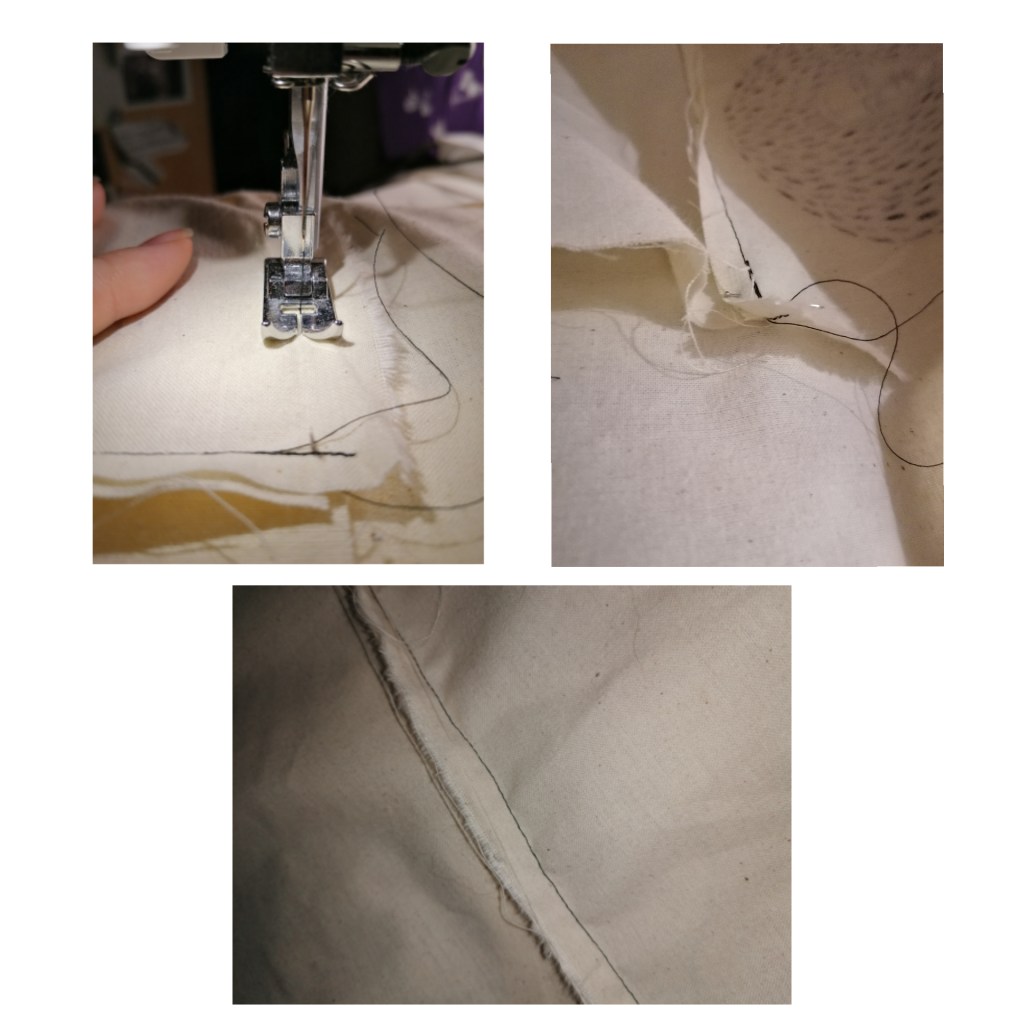
Slowly, I began joining the fabric and portraits together using a straight stitch with the sewing machine, keeping the stitch hidden from the surface of the blanket to not disrupt the portraits with loose threads.
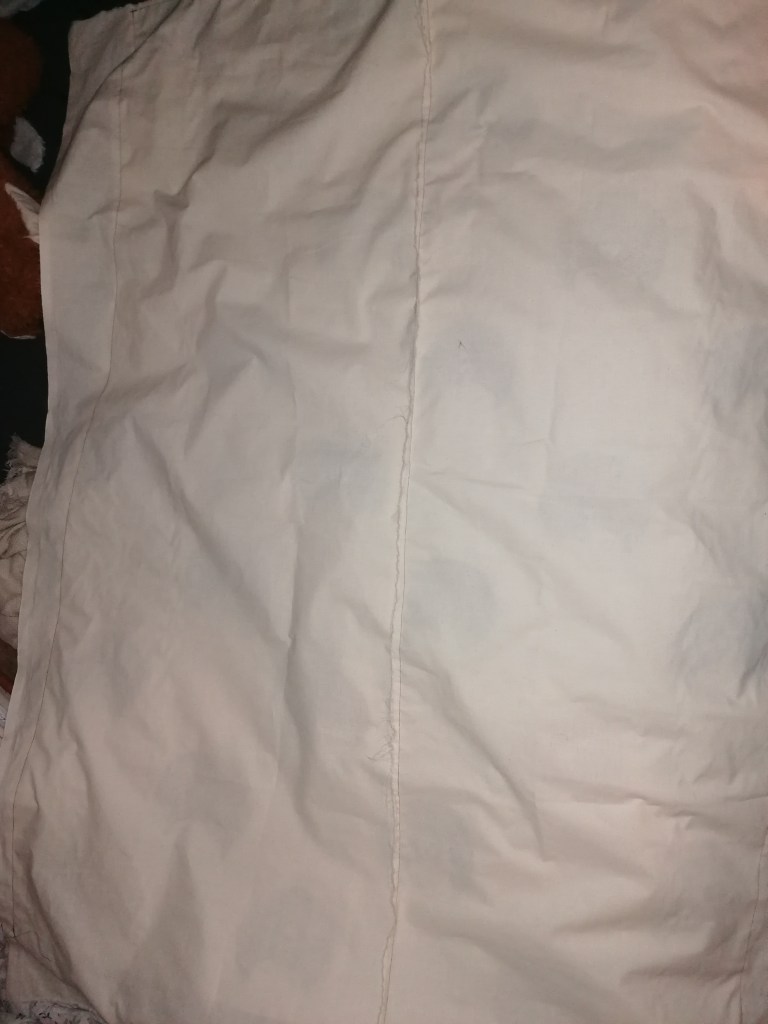
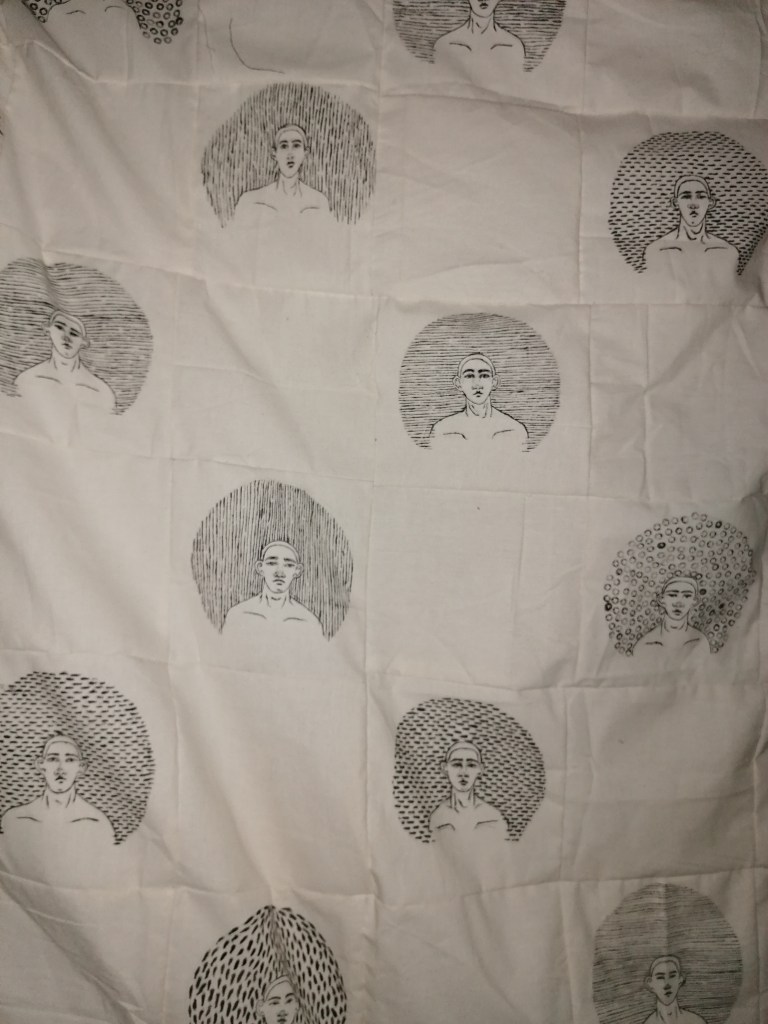
All 54 portrait sewn together (BACK)(FRONT close up)
*I’m having to resort to taking images of the work on my phone because my cameras focus doesn’t work on the Nikon, so the images might appear to be slightly blurry and unfocused, but I’ll try to make the best of the images I can*
When sewing the portraits together, one thing that bothers me is that the fabric pieces are slightly bigger than others, which causes the lines to join up in different areas, to the joining of the materials isn’t as neat as I would have liked. But to prevent this from happening next time, If I use one template for cutting scale next time that using multiple, the pieces would be more accurate in scale then.
Because this is a blanket to represent a comfort object, I wanted to stuff the blanket with a quilt stuffing, to give the blanket depth and to actually then be able to have a function. I think that having a functional piece of work is an interesting concept, and I can actually use it myself within my own home and comfort area.
Because I want to stuff the blanket, I started making a back for the blanket. Which I will tack to the portraits side of the blanket front to front so the stich will reman hidden, and create a sleeve to stuff the blanket I ordered into it. Sewing such big pieces of fabric like calico was quite difficult to drive through the sewing machine because it’s a really tough material and it’s got a weight to it, but in the end, there wasn’t really any problems when sewing other than that.
sealing the blanket with the stuffing and sewing it-
After sewing the blanket together and turning it inside out to form a giant sleeve, I stuffed the blanket to size inside the sleeve and sewn the blanket shut to conceal the blanket together fully. I think If I had the time and materials to do so, I would have made button holes and use buttons to close the blanket up so I could easily change the quilt if needed, but this method was quicker and I don’t have the buttons to do so.
I think that making a blanket to the title ‘interior/exterior’ is fitting in the sense that what I have created in cases might relate with in interior design, but the fact that because blankets are functioning objects, I could leave it in an open space that might not be in the comfort of someone’s home, It could be placed in public spaces or facilities such as in the library or in a café to preform as a seat comforter and because of it’s aesthetic look, it would fit in well with the exteriors of places as well as our own interior places.
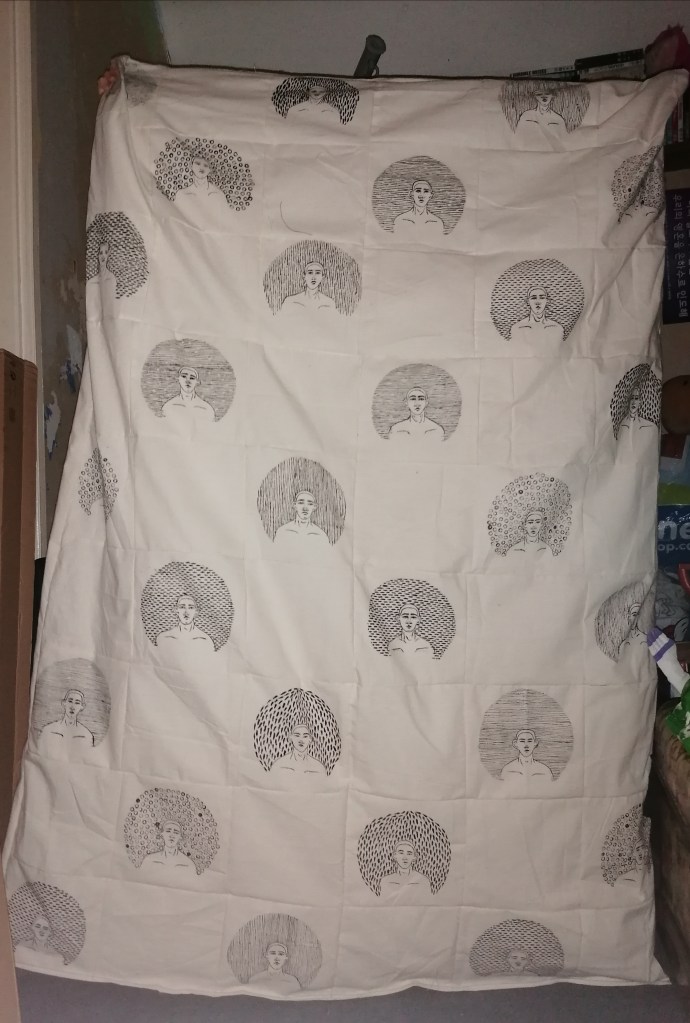
( Blanket complete around 5’3ft tall and 3’3ft across )
(*Images of the blanket are being hung up with assistance)
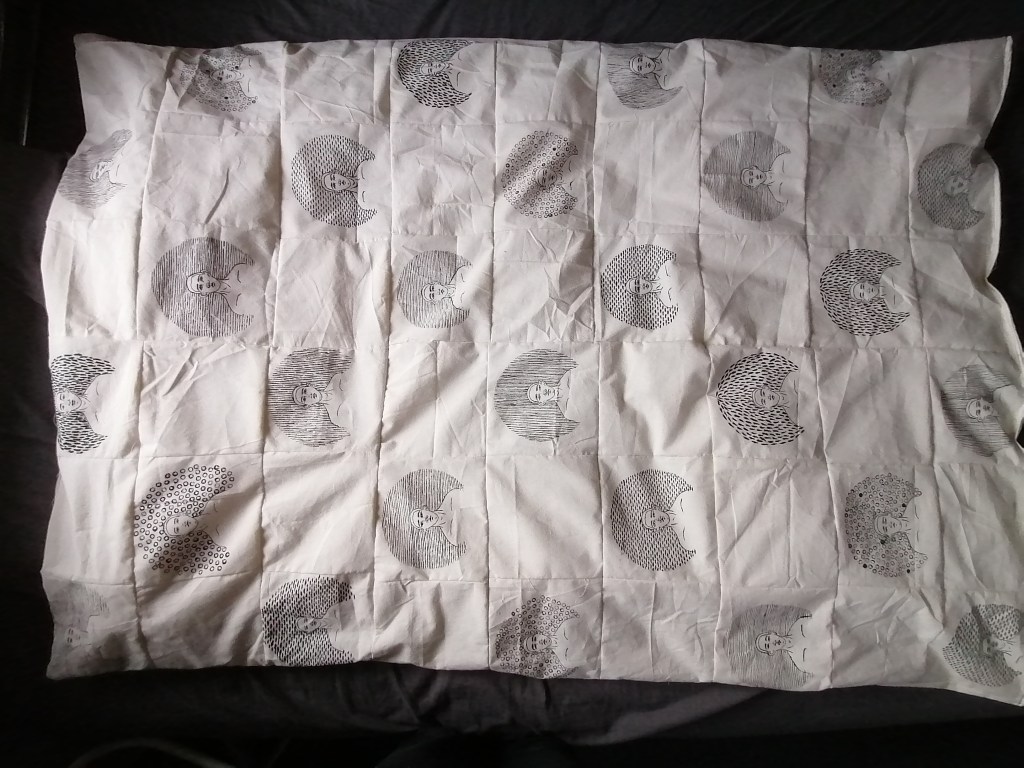
( close ups )(Blanket covering a bed)
For a double bed, the blanket isn’t big enough to cover that scale of surface and I think it would still be too short to cover the whole area of a single bed. So I think the function of this blanket will be for a big chair.
I think that the presentation of the work is better to be viewed in natural daylight due to its off white colour, for some reason, the natural light makes the fabric look softer and more welcoming to encounter with, like I would rather lay with the blanket when it looks like that. So I think that the positioning and lighting for the blanket when it comes to presenting it is important.
I will post an Image of the blanket on a chair that I think it will look good on, but the bonus is that the chair is my comfort seat for when I’m suffering with my anxiety badly, so with the theme of using fear and my production of a comfort object, the space and outcome work well together.


 Courtney Blair Art